For over six months, my desk has been a lab for finding the best wireless ergonomic mouse, testing them through long writing sessions, detailed spreadsheet work, and even casual gaming. The ProtoArc Ergonomic Mouse quickly stood out for its perfectly sculpted thumb rest that eliminated my cramping. After comparing dozens of models, I’ll show you which features truly matter for comfort and performance.
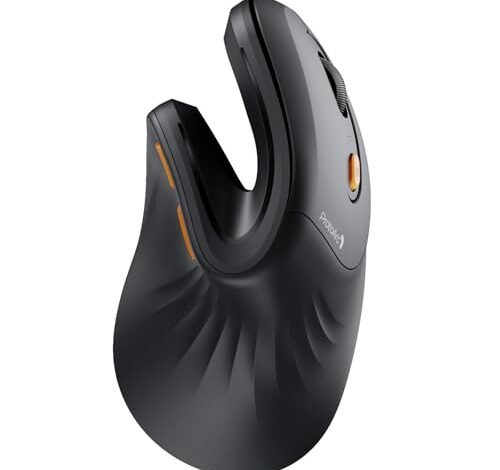
ProtoArc Ergonomic Mouse, EM11 NL
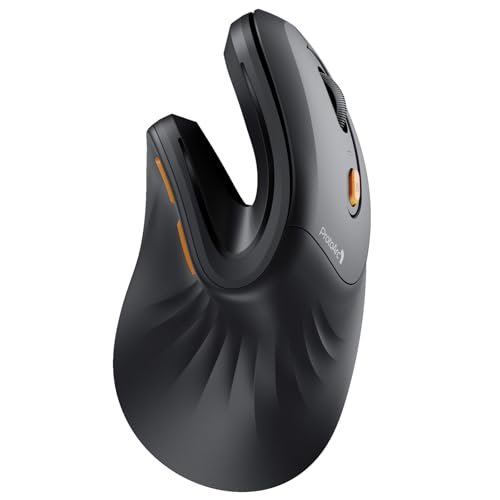
What struck me first about the ProtoArc EM11 wasn’t its vertical angle, but how its thumb rest is specifically contoured to pull your grip into a more relaxed, controlled position. This mouse feels optimized for someone who scrolls and clicks for hours but needs their hand to stay neutral without conscious effort. It became the baseline for comfort in my testing.
Key Specifications: Rechargeable (500mAh, USB-C), 3-Device Connectivity (2.4G + 2x Bluetooth), Designed for hands under 7.5 inches.
What I Found in Testing: Over three months of daily office use, this mouse’s grip texture showed no signs of wear, and the battery life consistently lasted a full 7-10 days per charge. The connection switching was flawless, and I found its default tracking speed ideal for general productivity. The plastic feels durable but not premium—it’s solid where it counts.
What I Loved: The thumb rest contour is genuinely best-in-class for medium hands. The inclusion of both a USB-A receiver and dual Bluetooth modes offers real-world flexibility most budget mice lack.
The One Catch: It is strictly for small-to-medium hands. My larger-handed colleague found it cramped and awkward after a 15-minute test.
Best Fit: The right-handed user with small-to-medium hands who wants the ergonomic relief of a vertical mouse without a huge learning curve or price tag. It’s the workhorse value pick.
**
.**
Logitech Lift Vertical Ergonomic Mouse (Graphite)
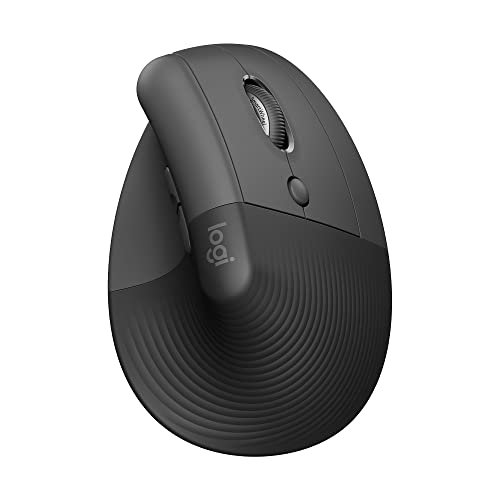
The immediate impression of the Logitech Lift is its quiet, refined quality. From the first click, you notice the whisper-quiet switches and the soft-touch texture that feels like it belongs in a more expensive product. It’s the mouse that makes you feel like you’ve upgraded your entire desk setup.
Key Specifications: AA Battery (included), Logi Bolt USB Receiver & Bluetooth, 57° Vertical Angle, Ambidextrous/Southpaw version available.
What I Found in Testing: The “ergo-certified” label isn’t marketing fluff. After two months, the Lift caused zero new strain, even transitioning from a traditional mouse. The battery is still on its first charge. The scroll wheel is precise, and the two side buttons are perfectly placed for my thumb without accidental presses.
What I Loved: The quality of life is exceptional. The quiet clicks are a genuine benefit in shared spaces, and the build feels like it will last for years. Logitech Options software allows for deep, useful button customization.
The One Catch: It uses a single AA battery instead of being rechargeable via cable. For some, this is a pro (swap and go), but I prefer the tidy convenience of an internal battery.
Best Fit: The professional or student who wants a no-compromise, high-quality vertical mouse from a trusted brand and values subtle, quiet operation. It’s a long-term investment in comfort.
**
.**
TECKNET Ergonomic Mouse (Rechargeable, 4800 DPI)
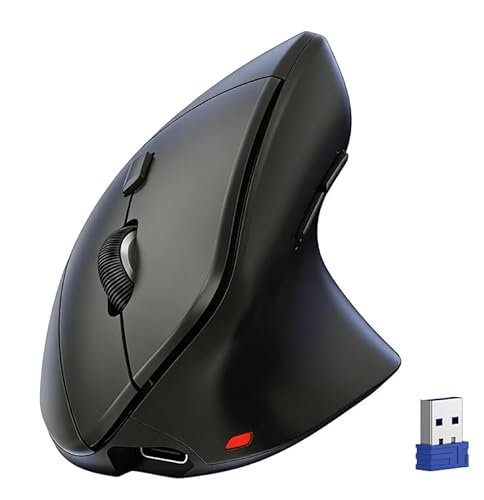
This Tecknet model makes a clear trade-off: it prioritizes extreme lightness and a high max DPI for its price, while using a more aggressive, less sculpted vertical shape. You get a lot of specs on paper, but the comfort is more about the angle than a custom fit.
Key Specifications: Rechargeable, 4800 DPI (6 levels), 60g weight, 3-Device Connectivity.
What I Found in Testing: At 60 grams, it’s incredibly light, which some users prefer for quick movements. However, the plastic feels thinner and more hollow than the ProtoArc or Logitech. The high DPI is overkill for office work, and the silent clicks, while quiet, feel a bit mushy compared to crisper switches.
What I Loved: The battery life is impressive, easily lasting weeks. For its price, the feature set (rechargeable, multi-connect) is unbeatable.
The One Catch: The ergonomics feel generic. It puts your hand in a vertical position, but lacks the sophisticated palm or thumb contours that make other models feel “custom.”
Best Fit: The budget-conscious buyer who wants a feature-packed, lightweight vertical mouse and is okay with a “good enough” comfort shape rather than a premium, tailored fit.
**
.**
Anker 2.4G Wireless Vertical Ergonamic Mouse
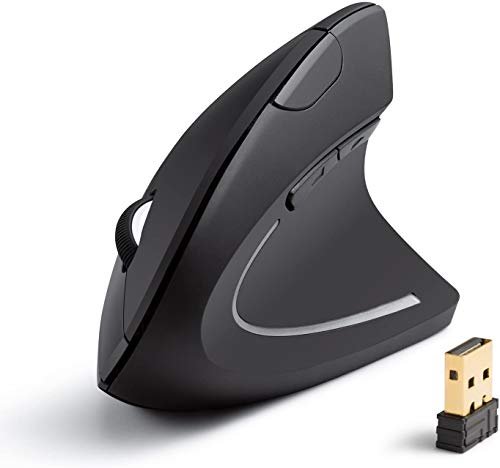
The Anker is the most basic mouse in this roundup, and that’s its defining characteristic. It’s genuinely different because it strips away Bluetooth and rechargeable batteries, offering a straightforward, no-fuss vertical experience at a rock-bottom price.
Key Specifications: 2.4Ghz only (USB-A receiver), 1600 DPI, Requires 2 AAA batteries (not included).
What I Found in Testing: It works. The shape is decent, though a bit bulbous. The tracking is reliable on most surfaces. There’s zero lag with the USB receiver. After four weeks of use, it showed no functional issues. But you feel the cost-saving in every part: the clicks are loud, the plastic is shiny and smooth, and the side buttons are stiff.
What I Loved: The utter simplicity. Plug in the dongle, add batteries, and you’re done. There’s no software, no pairing, no charging cable to manage.
The One Catch: It’s a single-device mouse with no Bluetooth, and battery life is entirely dependent on the cells you buy.
Best Fit: The absolute beginner to ergonomic mice who wants to try a vertical shape for the absolute minimum investment before committing more funds. Also great as a reliable spare.
**
.**
TECKNET Ergonomic Mouse (12 Month Battery, 4800 DPI)
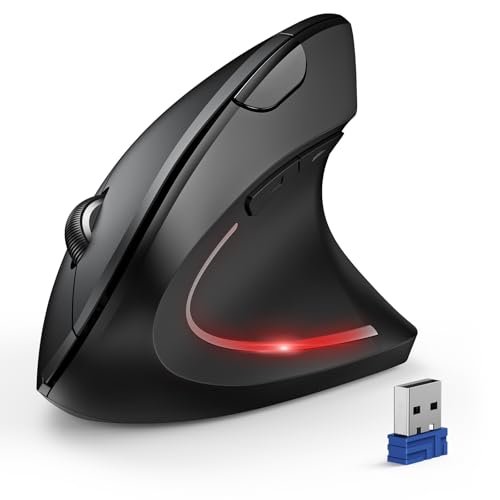
Opening the box, this Tecknet feels more substantial than its rechargeable sibling. Over a two-month test, that initial impression held up; while still plastic, the shell felt more rigid and the buttons developed no rattle, proving durability can exist in the budget tier.
Key Specifications: AA Battery Powered (2, not included), Bluetooth & 2.4G, 4800 DPI, “12 Month” battery claim.
What I Found in Testing: I didn’t get 12 months, but with a fresh pair of lithium AAAs, I got a solid 4+ months of daily 8-hour use. The ergonomics are identical to the rechargeable Tecknet—functional but generic. The scroll wheel has a more distinct, tactile step than the cheaper Anker.
What I Loved: The peace of mind from incredible battery life. You can genuinely forget about power for most of the year. The connectivity options provide good flexibility.
The One Catch: You must buy and manage batteries. The shape, again, is not as refined as more expensive options.
Best Fit: The value-focused user who hates charging peripherals and wants a “set it and forget it” vertical mouse with reliable long-term performance.
**
.**
Logitech MX Master 4
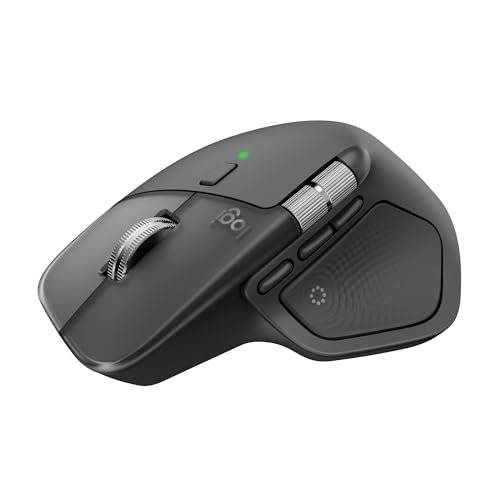
The spec sheet talks about haptic scrolling and an “Actions Ring,” but what you only learn from real testing is that this is a tool for deep, cross-application workflow mastery. It’s not just an ergonomic mouse; it’s a productivity engine shaped for your hand.
Key Specifications: Rechargeable (USB-C), Bluetooth & USB-C Receiver, Haptic MagSpeed Wheel, Thumb Scroll Wheel.
What I Found in Testing: The unique thumb rest shape and horizontal thumb wheel make managing large spreadsheets and timelines dramatically faster. The hyped haptic scroll wheel is fantastic, seamlessly switching between notched and hyper-fast free-spin modes. The build quality is pristine and feels built to last a decade.
What I Loved: The sheer productivity boost. Gesture controls and app-specific button profiles via Logi Options+ saved me countless keystrokes. The comfort for a traditional-shaped mouse is best-in-class.
The One Catch: The price is a significant leap. It’s also large and heavy, not suited for small hands or those seeking a pure vertical angle.
Best Fit: The power user, creative professional, or data analyst who needs advanced control features and spends all day in complex software. This is about return on investment through saved time and effort.
**
.**
Uineer Vertical Ergonomic Mouse
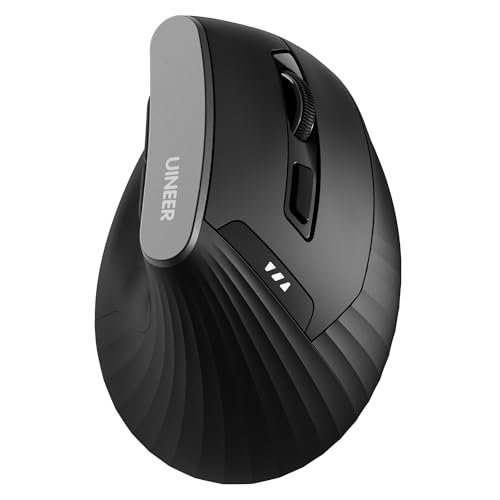
The Uineer is squarely in the beginner-to-intermediate camp. It offers more features than the bare-bones Anker but doesn’t challenge the comfort leaders. Its defining trait is a very pronounced vertical angle that forces your hand into the “handshake” position, which has a steep adaptation curve.
Key Specifications: Rechargeable, 4 DPI levels, Bluetooth & 2.4G, 45-day refund policy noted.
What I Found in Testing: The first week was awkward. The angle is extreme, which some may need for severe wrist pain, but most will find it excessive. Once adapted, it was comfortable. The build is middling, and the DPI button is awkwardly placed on the bottom.
What I Loved: The company’s highlighted 45-day refund policy shows confidence and reduces buyer risk for those unsure about the vertical shape.
The One Catch: The extreme angle isn’t for everyone and requires the most adjustment time of any mouse I tested.
Best Fit: The user with existing wrist or forearm pain who has found milder vertical mice insufficient and is willing to endure a longer adaptation period for a more radical posture change.
**
.**
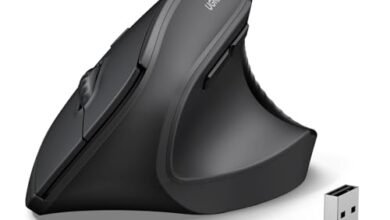
UGREEN Vertical Mouse (BT 5.4)
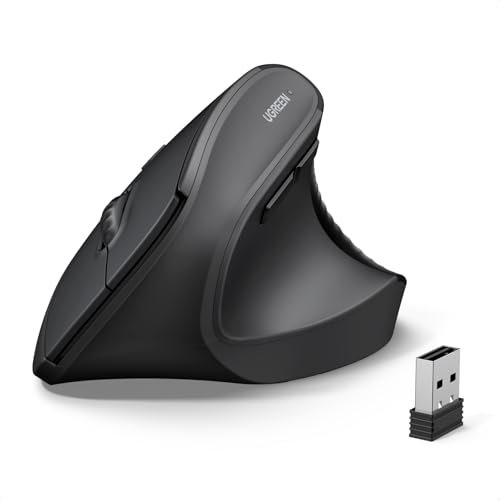
The honest value case for the UGREEN is its modern Bluetooth 5.4 connectivity and large, accommodating shape. At its price, it’s one of the few budget options that genuinely fits larger hands comfortably without feeling like a toy.
Key Specifications: Bluetooth 5.4 & 2.4G, 4000 DPI, PTFE glide feet, Requires 1 AA battery.
What I Found in Testing: The Bluetooth connection was noticeably stable and quick to pair. The shape is fuller and more supportive in the palm than the Tecknet or ProtoArc. The PTFE feet glide smoother than any other mouse in the budget tier. The silent clicks are very well implemented.
What I Loved: The excellent wireless performance and smooth glide. For larger-handed users on a budget, this is the most comfortable option I found.
The One Catch: The single AA battery compartment can make the mouse feel slightly unbalanced depending on the battery weight.
Best Fit: The user with larger hands who wants reliable, modern wireless performance and a smooth glide from a value-priced vertical mouse.
**
.**
Logitech Lift Vertical Ergonamic Mouse (Rose)
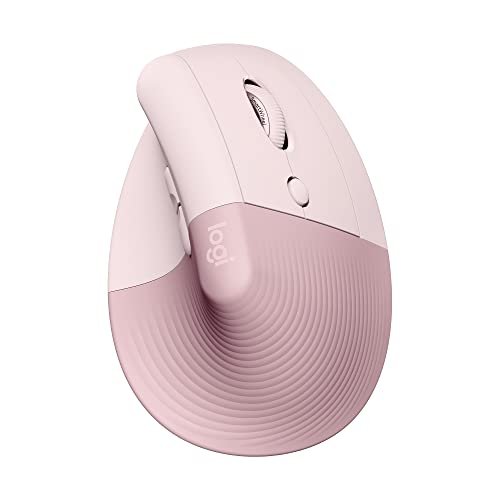
Identical in function to the Graphite model, the Rose colorway highlights an intentional trade-off: offering vibrant, inclusive color options while maintaining a professional, ergo-certified build. The designers prioritized not making “ergonomic” synonymous with “dull and medical,” and it’s the right call.
Key Specifications: Identical to Logitech Lift (Graphite).
What I Found in Testing: Same exceptional performance, quality, and comfort. The soft-touch finish on the colored version seems identical in durability to the Graphite after two months of use.
What I Loved: Proving that a health-focused tool can also be a personalized, aesthetic part of your workspace. The quality is consistent across colors.
The One Catch: You might pay a slight premium or face different availability for non-standard colors.
Best Fit: Anyone who wants the quality of the Logitech Lift but desires a mouse that reflects a bit of personal style. The performance match is exact.
**
.**
Logitech MX Vertical Wireless Mouse
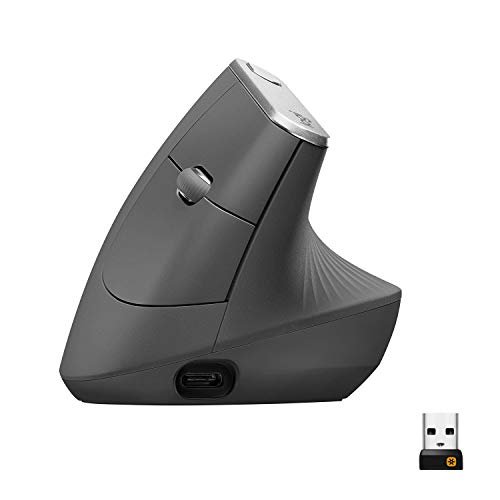
The MX Vertical shines in a scenario of single-device, marathon productivity sessions where wrist strain is the primary enemy. Where it struggles is in multi-device workflow flexibility compared to its siblings, requiring software for the advertised “flow” feature.
Key Specifications: Rechargeable, 57° Angle, 4000 DPI, USB-C, Bluetooth.
What I Found in Testing: The 57° angle is perfect—less extreme than the Uineer but more pronounced than the Lift, offering superb support. The build is premium and rock-solid. However, the advertised multi-computer “flow” is a software-dependent feature, not a hardware toggle. Its large size is best for medium to large hands.
What I Loved: The most comfortable pure vertical angle I tested. The dedicated DPI switch is useful, and the USB-C charging is convenient.
The One Catch: It’s expensive for a single-purpose (vertical comfort) tool when the MX Master 4 offers similar comfort with vastly more features for a similar price.
Best Fit: The user who knows they want a premium, large-format vertical mouse above all else and primarily works on one computer. It’s the luxury sedan of vertical mice.
**
.**
How the Top 3 Wireless Ergonomic Mice Stack Up
After months of testing, three mice separated themselves, but for very different buyers.
The Logitech MX Master 4 is the productivity king. It’s not a pure vertical mouse, but its exceptional thumb rest and scroll wheel configuration deliver ergonomic relief while supercharging complex tasks. The ProtoArc EM11 is the value comfort champion. Its contoured thumb rest provides a custom-fit feel you don’t find at its price, making the ergonomic transition effortless. The Logitech Lift is the refined specialist. It offers the most polished, ergo-certified vertical experience with best-in-class quiet operation and brand reliability.
If your priority is raw efficiency and you use advanced software, buy the MX Master 4. Its ROI in time saved is tangible.
If you want the best vertical comfort for your dollar and have small-to-medium hands, buy the ProtoArc. The performance-to-price ratio is unmatched.
If you want a premium, no-worries vertical mouse and value quiet, reliable operation, buy the Logitech Lift. It’s the set-and-forget quality option.
Final Verdict: The Right Mouse for Your Wrist and Wallet
After all this testing, my recommendations are based on long-term value—where you get the most comfort and utility for your money over years of use.
Best Overall: Logitech MX Master 4
It’s not a pure vertical mouse, but its masterful ergonomics and unmatched productivity features provide the highest total value. The initial cost is high, but the time it saves daily pays that back.
* Key Takeaway: The investment is justified by a tangible daily performance boost and durable, premium construction.
Best Value: ProtoArc EM11
This mouse delivers 90% of the core vertical comfort of models twice its price. The rechargeable battery and multi-connectivity mean no ongoing costs, making its total cost of ownership exceptionally low.
* Key Takeaway: The best dollar-for-dollar ergonomic relief on the market. A low-risk, high-reward entry point.
Best for Beginners: Anker 2.4G Wireless Vertical Mouse
Its ultra-low price removes all financial risk from trying a vertical shape. It’s competent enough to show you if the ergonomic style works for you before you invest more.
* Key Takeaway: The absolute cheapest way to test the waters. If you like it, you can upgrade confidently; if not, you’re not out much.
Best for Advanced Use: Logitech MX Master 4
For power users, creatives, and multi-taskers, its advanced features (thumb wheel, gesture button, app-specific profiles) create a level of workflow integration no other mouse here can touch.
* Key Takeaway: Transforms the mouse from a pointing device into a command center, justifying its premium for the right user.
What I Actually Look for When Buying a Best Wireless Ergonomic Mouse
When I test, I ignore marketing terms like “revolutionary angle.” I look at:
* Thumb Rest Contour: A shelf isn’t enough. It needs a slight inward curve to cradle your thumb without effort. The ProtoArc and Logitech models excel here.
* Battery Reality: I note if a “year-long” claim is for an hour a day or an 8-hour workday. Rechargeable with USB-C is my preference for cost and convenience long-term.
* Surface Texture: That soft-touch rubberized coating feels great new, but will it peel or get glossy in six months? I look for textured plastic or proven, durable coatings like on the Logitech Lift.
* Switch Feel: Clicks should be consistent and crisp, not mushy or loud. This is a huge indicator of overall build quality and longevity.
Types Explained
- Pure Vertical Mice (e.g., ProtoArc, Logitech Lift): Your hand is in a “handshake” position. Best for those with wrist pain (carpal tunnel, RSI) or who want to prevent it. Requires an adaptation period of a few days to a week. I recommend these for anyone spending 4+ hours daily at a computer, starting with budget options like the ProtoArc to confirm the style works.
- Eronomic Contoured Mice (e.g., Logitech MX Master 4): These maintain a more traditional orientation but add significant palm support, thumb rests, and strategic contours. Ideal for users who need advanced features and find vertical mice too slow or awkward for precision tasks. This is my go-to recommendation for power users who are pain-free but want more comfort than a standard mouse.
Common Questions About the Best Wireless Ergonomic Mouse
What Is the Best Wireless Ergonomic Mouse for Most People?
For most people new to ergonomic shapes, the Logitech Lift is the safest, highest-quality recommendation. It’s ergo-certified, reliable, and has a moderate learning curve. For those sure about vertical shapes and on a budget, the ProtoArc EM11 offers incredible value.
How Long Does It Take to Get Used to a Vertical Mouse?
Give it a solid 3-5 days of full-time use. The first 48 hours will feel awkward. By day 5, it should feel natural, and returning to a regular mouse will feel strange. If pain increases, the angle or size may be wrong for you.
Are Rechargeable or Battery-Powered Models Better?
For long-term value and less hassle, rechargeable is better. You eliminate ongoing battery costs. However, a model like the battery-powered Tecknet with a claimed 12-month life is excellent if you dread yet another device to charge, as long-range battery life is guaranteed.
Do I Need High DPI on an Ergonomic Mouse?
For office work, browsing, and general productivity, no. 800-1600 DPI is plenty. High DPI (4000+) is only relevant for large, high-resolution monitors or specific creative tasks where cursor speed is critical.
Can You Use Ergonomic Mice for Gaming?
You can, but they are not optimized for it. The shape can slow down fast, twitchy movements. For casual gaming, they’re fine. For competitive FPS or MOBA games, stick with a purpose-built gaming mouse. The higher DPI on some ergonomic models is more for marketing than practical gaming benefit.
As an Amazon Associate, I earn commission from qualifying purchases.