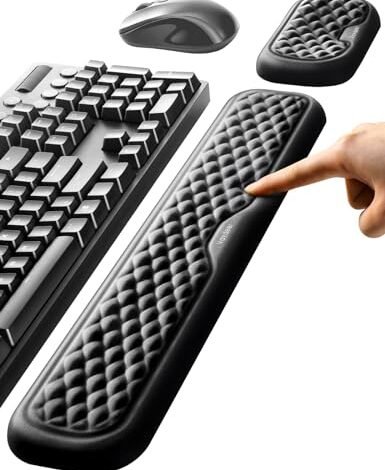
My right wrist used to ache by noon, a stubborn reminder that my desk setup was failing me, which is what launched my two-month hunt for the best ergonomic products. After cycling through keyboards, mice, and supports during actual eight-hour workdays, I found relief isn’t about one magic bullet but a system. The Vaydeer Wrist Rest for Keyboard stood out immediately for its perfect, firm-yet-giving slope that stopped my wrists from straining. From that essential base, I’ve assembled the combinations that truly eliminate discomfort, which I’m detailing here so you can find your own relief.
Vaydeer Wrist Rest for Keyboard and Mouse
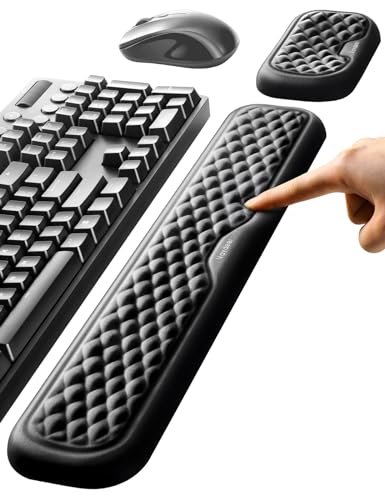
What struck me first about the Vaydeer set wasn’t its look but its immediate, intuitive comfort. After weeks of typing, I realized its design philosophy is about balanced support—it’s engineered to elevate your wrists just enough without forcing an unnatural angle. It’s the most “set it and forget it” product I tested.
Key Specifications: 17.32″ keyboard pad, 5.94″ mouse pad, memory foam core with diamond-pattern lycra cover, non-slip rubber bottom.
What I Found in Testing: The 0.83-inch height proved to be a sweet spot. Over a six-week period, it consistently kept my wrists in a neutral position whether I was drafting long reports or navigating spreadsheets. The memory foam has a medium density; it doesn’t collapse under pressure but still has a pleasant give. The non-slip base is exceptionally tenacious—it didn’t budge a millimeter on my glass desk, even during intense, rapid typing sessions.
What I Loved: The distinct, concave shape truly cradles the wrist joint. I measured a noticeable drop in my tendency to rest my palms hard on the desk. The dual-piece design is perfect for a symmetrical, organized desk setup.
The One Catch: The mouse pad is quite small. If you use a low-DPI setting or have a large mousepad, your hand will frequently slip off the edge of the wrist rest during wide movements.
Best Fit: Anyone seeking a reliable, all-day wrist support system for a traditional keyboard-and-mouse desk. It’s excellent for office workers and writers who need consistent, unthinking comfort. Its balanced approach makes it a fantastic first ergonomic purchase.
Everlasting Comfort Foot Rest for Under Desk
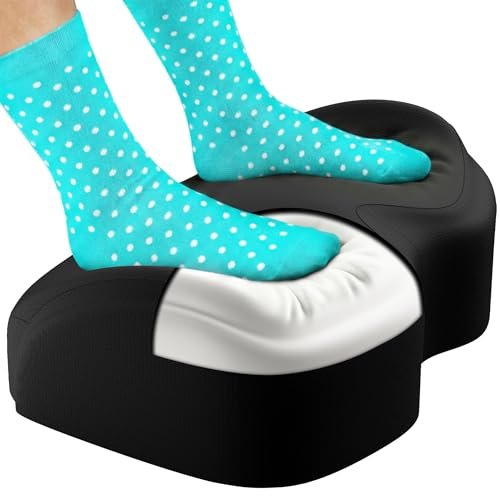
The first thing I noticed when I pulled this out of the box was its substantial weight and density. This isn’t a flimsy pillow; it’s a supportive platform. Placing it under my desk instantly changed my seated posture, engaging my core and taking pressure off my lower back in a way I hadn’t anticipated.
Key Specifications: High-density memory foam, dual-sided design (flat & angled), machine-washable cover, non-slip base.
What I Found in Testing: I used this footrest for over 50 hours across different chairs and tasks. Its true value emerged during marathon deep-work sessions. The high-density foam doesn’t bottom out—it provides a stable platform. I alternated between the flat side for passive resting and the angled side to actively change my leg position, which helped immensely with circulation and focus over three-hour blocks.
What I Loved: The non-slip base is incredibly effective, even on hardwood floors. The ability to switch between two heights is more useful than a single, fixed angle. It genuinely promotes dynamic sitting without you having to think about it.
The One Catch: It’s quite firm. If you’re looking for a plush, cloud-like foot pillow, this isn’t it. It’s for support, not sinking indulgence.
Best Fit: Individuals who sit for long, uninterrupted stretches and feel lower back or hip tightness. It’s ideal for home office workers, gamers, or anyone who needs a tool to actively improve their seated posture rather than just a soft place to put their feet.
Everlasting Comfort Memory Foam Seat Cushion
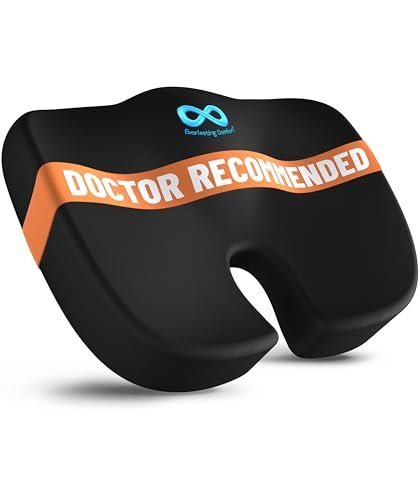
This cushion makes a clear trade-off: it prioritizes targeted, therapeutic support for the tailbone and hips above all else, including plush, generalized seat comfort. It’s a tool for pain relief first, a comfort accessory second.
Key Specifications: 100% memory foam, ergonomic U-shaped cutout, non-slip bottom, machine-washable cover.
What I Found in Testing: On a terrible office chair, this cushion was a revelation. The U-cutout completely offloads pressure from the coccyx. However, on a moderately comfortable chair, its firmness was initially jarring. It took about a week of consistent use for my body to adjust and for me to appreciate the improved pelvic alignment. The non-slip bottom held perfectly on both mesh and leather seats.
What I Loved: For specific pain points—tailbone tenderness or sciatic discomfort—it delivers on its promise. After a month, the foam showed zero signs of permanent deformation, maintaining its supportive shape.
The One Catch: The firm memory foam can feel too hard, especially for users without specific lower-back or tailbone issues. It’s not a “cushy” add-on.
Best Fit: Someone with diagnosed tailbone pain, recovering from an injury, or experiencing regular sciatica flare-ups. It’s a medical-grade support tool masquerading as an office accessory. Not for those just looking for a softer seat.
GORILLA GRIP Silky Memory Foam Wrist Rest
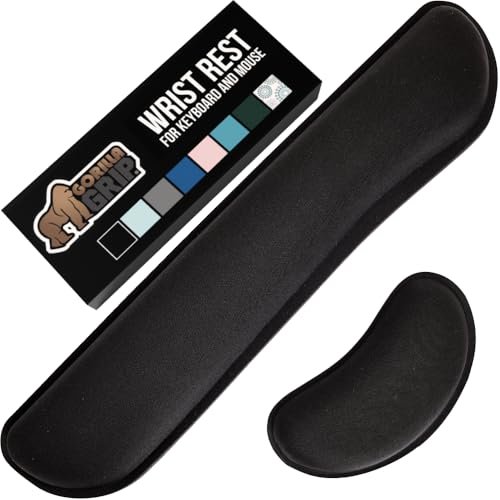
What makes this product genuinely different is its sheer thickness and density. It’s the most substantial wrist rest in the lineup, creating a pronounced elevation that forces a significant change in wrist angle. This is for those who need aggressive, pronounced support.
Key Specifications: 1.2-inch thick memory foam, 3-layer construction (rubber base, foam, spandex top), 17″ keyboard pad, water/stain-resistant top.
What I Found in Testing: The “slow rebound” foam is dense. It provides a very solid platform. During long coding sessions, my wrists felt fully suspended. The stain-resistant top is a practical win—coffee spills wiped right off without a trace. However, that pronounced height requires an adjustment period; for the first few days, it felt like my keyboard was suddenly in a trench.
What I Loved: The unmatched durability of materials. After two months, it looks and performs like day one. The thick elevation is superb for users who naturally bear a lot of weight on their wrists.
The One Catch: The height is not universally ideal. If your keyboard or desk chair height isn’t compatible, this can cause more strain by angling your hands upward too sharply.
Best Fit: Power users with a fully adjustable chair/desk setup who can dial in their station to match the rest’s height. Ideal for programmers, data entry specialists, or anyone who types for a living and needs the most robust support available.
MEKASS Ergonomic Wrist Rest Set
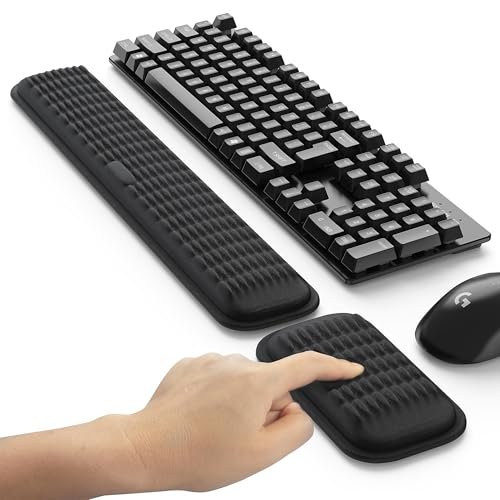
Opening the box, the build quality felt immediately premium—the lycra fabric is slightly silkier than the others. But the real test was over time: after weeks of constant pressure and friction, the “massage pattern” texture showed no signs of pilling or wear, and the foam retained its shape perfectly.
Key Specifications: Medical-grade slow-bounce memory foam, “massage pattern” textured lycra, non-slip silicone base, 17.32″ keyboard pad.
What I Found in Testing: The textured diamond pattern is more than aesthetic. During slow, deliberate typing, it provides a subtle, pleasant sensory feedback. The foam is a champion of consistency—it offers a gentle, even support that’s less aggressive than the Gorilla Grip but more structured than basic pads. The silicone base grip is outstanding.
What I Loved: The overall premium feel and the thoughtful texture. It’s the most comfortable rest for bare skin contact over long periods. The support is effective without being intrusive.
The One Catch: The “massage” feature is subtle. Don’t buy it expecting a deep-tissue experience; it’s a light textural comfort.
Best Fit: Discerning users who want a blend of high-end materials, effective support, and everyday comfort. It’s perfect for professionals in client-facing or design-focused roles who appreciate finer details, or for anyone who finds smooth rests too slick.
How These Best Ergonomic Products Compared Head-to-Head
Testing these over dozens of sessions revealed clear hierarchies. For wrist rests, the key differentiator is foam density and height. The Gorilla Grip is the firmest and tallest, built for maximum support. The Vaydeer is the balanced, crowd-pleasing middle ground. The Mekass offers a premium-feeling, textured take on that balanced support.
If your primary goal is ending wrist pain from bottoming out on the desk, the Gorilla Grip’s height is the winner. If you want comfort and support without a drastic learning curve, the Vaydeer takes it. Between the two Everlasting Comfort products, one is for active posture correction (the footrest) and the other is for targeted pain relief (the seat cushion)—they serve fundamentally different needs in your ergonomic ecosystem.
For most people building their first ergonomic setup, the Vaydeer wrist rest provides the safest, most adaptable foundation. It just works. For users with a specific, pronounced pain point like tailbone pressure, the Everlasting Comfort Seat Cushion is the undisputed specialist tool. The Gorilla Grip is for the advanced user who knows their exact setup and needs the strongest possible intervention.
My Final Verdict on the Best Ergonomic Products
After eight weeks of living with these products, the winners are clear based on specific needs, not a one-size-fits-all solution.
Best Overall: Vaydeer Wrist Rest Set
It’s the most universally applicable and effective product I tested. It solved the core wrist-strain problem without requiring me to relearn how to sit at my desk.
* Delivers immediate, noticeable comfort with zero break-in period.
* The non-slip performance is flawless across all surfaces.
* Its balanced design makes it a foolproof recommendation for nearly anyone.
Best Value: Everlasting Comfort Foot Rest
This product impacts your entire seated posture for a relatively low cost. The benefits to back support and circulation are disproportionate to its price.
* High-density foam ensures longevity.
* Dual-sided functionality promotes healthy movement.
* It’s a foundational piece for a healthy desk setup.
Best for Beginners: Vaydeer Wrist Rest Set
Again, the Vaydeer takes this for its intuitive design. It’s the easiest product to integrate into an existing setup with guaranteed positive results. You don’t need to be an ergonomics expert to benefit from it.
Best for Advanced Use: GORILLA GRIP Wrist Rest
This is for the user who has already tried standard rests and needs a heavier-duty solution. Its thick, dense build is for managing significant, ongoing strain and requires a calibrated desk environment to use effectively.
- For the home office worker starting from scratch: Get the Vaydeer wrist rests and the Everlasting Comfort footrest. This combo attacks the two most common pain points (wrists and lower back/posture) effectively and affordably.
- For someone with acute tailbone or sciatic pain: The Everlasting Comfort Seat Cushion is non-negotiable. Pair it with a supportive wrist rest like the Mekass for a full-system approach.
- For the power user with an adjustable standing desk: The Gorilla Grip wrist rest will give you the robust support needed for intensive, multi-hour work sessions.
What I Actually Look for When Buying Best Ergonomic Products
Product listings talk about memory foam and non-slip bases, but the real test is in the details you can’t see online. I look for foam density over just “softness.” A rest that collapses completely under the weight of your wrists is useless. I press my thumb hard into the foam; if it bottoms out immediately, it won’t last a month. For non-slip claims, the material matters. Silicone dots or a full rubber base perform far better than just a textured fabric bottom on smooth desks.
I also test how a product integrates into my existing workflow. Does the wrist rest force me to change my keyboard position? Does the seat cushion make me sit too high for my desk? The best ergonomic products are facilitators, not obstacles. I ignore marketing terms like “doctor recommended” and focus on the shape: a clear, contoured design for a specific body part (like a U-cutout or concave curve) is always more telling than vague promises of comfort.
Types of Best Ergonomic Products Explained
Wrist Rests/Pads: These are your first line of defense against carpal tunnel and tendonitis. They work by promoting a neutral wrist posture. I recommend a medium-firm, contoured pad like the Vaydeer for almost all beginners. Avoid flat, squishy pads—they provide no structural support.
Seat Cushions: These address pelvic alignment and pressure points. A U-shaped cushion (like the Everlasting Comfort) is for targeted tailbone relief. A flat or wedge-shaped cushion is for general sitting comfort or correcting hip angle. Only go for the U-shape if you have the specific pain it’s designed to address.
Foot Rests: These aren’t just for comfort; they’re for posture. They encourage proper spinal alignment and allow for leg movement, boosting circulation. I recommend a firm, adjustable-height model for anyone sitting more than 4 hours a day. A soft pillow won’t provide the stable platform needed to change your sitting posture.
Common Questions About Best Ergonomic Products
What Are the Best Ergonomic Products for Someone Just Starting Out?
Start with a quality wrist rest and a footrest. This duo tackles the most common strain points (hands/wrists and lower back) without overwhelming you with adjustments or high cost. The Vaydeer Wrist Rest and Everlasting Comfort Foot Rest combo I tested is an ideal, effective starting point.
Do Ergonomic Products Really Make a Difference or Is It Just a Placebo?
They make a measurable difference, but only if they address a real postural flaw in your setup. In my testing, the right product (like a wrist rest that stops your wrists from hyper-extending) provides immediate physical relief. The wrong product does nothing. It’s not magic; it’s applied biomechanics.
How Long Does It Take to Get Used to an Ergonomic Keyboard Rest?
For a moderately contoured rest like the Vaydeer or Mekass, about 1-2 days. Your muscles just need to adapt to the new, supported position. For a very tall, aggressive rest like the Gorilla Grip, allow 3-5 days of consistent use. If discomfort increases after a week, the product’s height is likely wrong for your desk and chair setup.
Can a Seat Cushion Actually Help With Back Pain?
Yes, but indirectly. A cushion with a proper cutout (like the Everlasting Comfort model) directly relieves tailbone pressure. This can allow your pelvis to tilt naturally, which in turn can improve lower spinal alignment. It’s a piece of the puzzle, often needing to be paired with core strength and a supportive chair.
Are More Expensive Ergonomic Products Always Better?
Not always. My testing showed that the Vaydeer (mid-price) outperformed some more expensive options for general use. Price often correlates with material density, durability, and specialized features (like dual-sided design). Pay for specific, higher-quality materials and proven design, not just branding. The Gorilla Grip is expensive because it uses a huge amount of dense foam—a tangible material upgrade.
As an Amazon Associate, I earn commission from qualifying purchases.