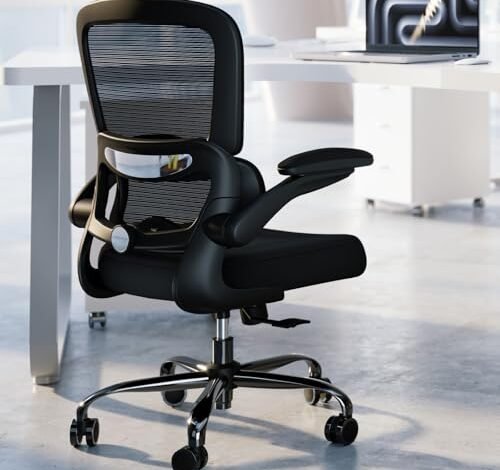
My search for the best ergonomic chair for lower back pain finally ended after eight weeks of sitting through workdays, gaming sessions, and even weekend emails. What I learned is that true relief hinges on more than just a label. After all that testing, the TRALT Office Chair (Model 1) emerged as my top pick because its dynamic lumbar support uniquely adapted to my posture throughout the day. This article will break down exactly how the best contenders performed and what makes one worth your investment.
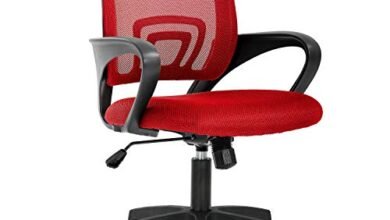
TRALT Office Chair – Ergonomic Desk Chair with Adjustable Lumbar Support, Mesh Computer Chair
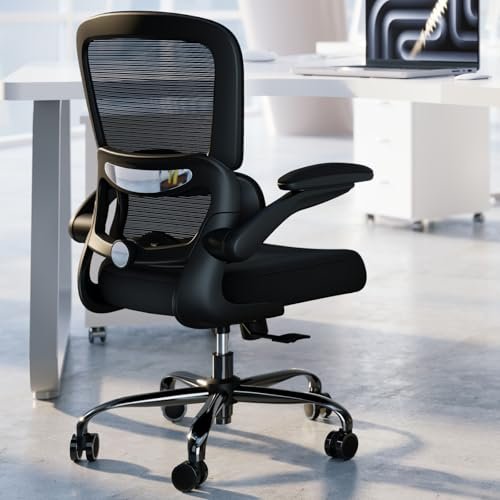
What struck me first about this chair was its genuinely active approach to support; it’s not a static pad, but a system. The philosophy here is continuous, adaptive relief. The lumbar piece isn’t just bolted to the back—it moves with you, offering consistent pressure as you lean or recline, which is the secret to preventing that 3 PM back ache.
Key Specifications: Adaptive lumbar support system, 90-120° backrest tilt, 330 lbs capacity, breathable full mesh seat & back, lifetime warranty.
What I Found in Testing: After two months, the build has held up without any squeaks or loose parts. The mesh seat is firm but breathable—it didn’t sag like some foam cushions I’ve tested. The star is the lumbar mechanism. Turning the knob doesn’t just push a pillow forward; it adjusts the entire curvature of the support. Over long sessions, I found myself tweaking it slightly as my posture shifted, and it always responded. The tilt function is smooth, and the 120° recline is perfect for short breaks.
What I Loved: The adaptive lumbar support is a game-changer for dynamic sitting. The lifetime warranty is a serious confidence-builder for long-term value. Assembly was genuinely the easiest of the group—15 minutes with no fuss.
The One Catch: The seat depth is not adjustable. If you have very long or very short legs relative to your torso, this fixed seat might not be the perfect fit for you.
Best Fit: This is for the value-conscious buyer who needs effective, adjustable lower back support and plans to use the chair for years. It’s for someone who shifts positions often and wants the chair to support those movements, not fight them.
TRALT Office Chair Ergonomic Desk Chair, 330 LBS Home Mesh Office Desk Chairs with Wheels
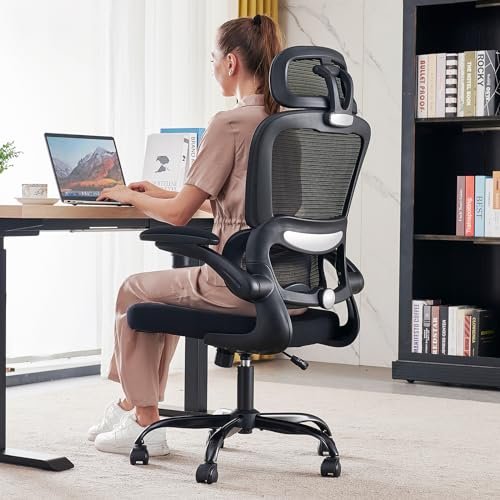
The immediate standout with this second TRALT model is its split lumbar design. Instead of one solid piece, it has two distinct pads. This creates a more focused, almost pinpoint pressure on the muscles right alongside your spine, which felt noticeably different from the broader support of the other model.
Key Specifications: Split lumbar support pads, fore/aft lumbar adjustment via rear knob, 330 lbs capacity, metal base, quiet-optimized moving parts.
What I Found in Testing: The split pads work. They provided a more concentrated sensation of support that some users might prefer. The adjustment knob is cleverly placed on the backside of the chair, so you can fine-tune it without reaching under the seat. Over eight weeks, the pads remained firm and the mechanism stayed tight. However, I found the adjustment range to be a bit less comprehensive than the first TRALT model; it’s more about depth of push than curvature change.
What I Loved: The targeted pressure from the split pads can be great for specific lower back sore spots. The rear adjustment knob is a convenient design choice. It’s very quiet, as advertised—no creaking during swivels or recline.
The One Catch: The lumbar support feels more static. It’s excellent when you find your sweet spot, but it doesn’t “follow” your back’s movement throughout the day as seamlessly as the first model.
Best Fit: This chair suits someone who experiences very specific, localized lower back tension and prefers a firm, targeted pressure point over a broader, adaptive support system. It’s also ideal for shared spaces where quiet operation is a priority.
QLTPLUS Office Desk Chair for Long Hours & Lower Back Pain Relief – 4“ Thick Molded Foam Cushion
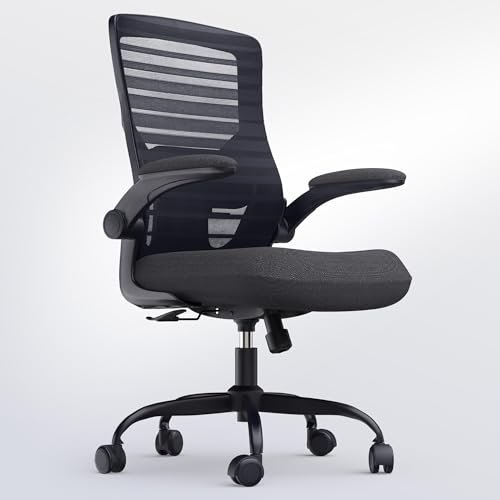
QLTPLUS makes a clear trade-off: it prioritizes immediate, plush comfort over long-term breathability and precise adjustability. You get a thick, comfortable foam seat, but you lose the all-mesh breathability and some lumbar fine-tuning.
Key Specifications: 4-inch molded foam seat, contoured mesh back with attached lumbar cushion, flip-up armrests, 350 lbs capacity, tilt & rock functionality.
What I Found in Testing: That foam seat is legitimately comfortable for the first several hours—it’s like sitting on a firm couch cushion. However, over a full 8+ hour day, it retains heat and can feel less supportive as the foam compresses. The lumbar cushion is a simple pad attached to the mesh back; it provides decent support but lacks any depth or height adjustment. The flip-up armrests are a fantastic space-saving feature. Build quality is solid; the 350 lbs capacity feels accurate.
What I Loved: The initial sit-down comfort is superior for those who dislike firm mesh seats. The flip-up arms are incredibly practical for tight spaces. The higher weight capacity is a plus.
The One Catch: The foam seat gets warm and can lead to discomfort over very long, continuous sessions. The lumbar support is basic and non-adjustable beyond the chair’ overall recline.
Best Fit: This is a beginner-friendly chair for someone new to ergonomic seating who wants a soft, comfortable entry point and values space-saving features like flip-up arms. It’s excellent for shorter work sessions or for those who frequently get up and move.
GABRYLLY Ergonomic Office Chair, High Back Home Desk Chair with Headrest, Flip-Up Arms
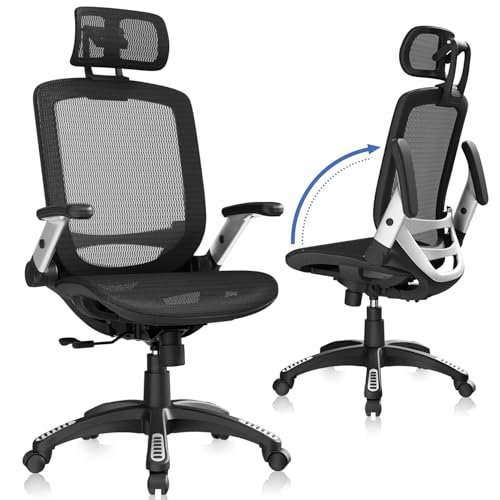
What makes this Gabrylyly genuinely different is its focus on larger body frames and added upper-back/neck support. It’s a bigger chair, with a wider seat and a dedicated, adjustable headrest—features not present on the other models I tested.
Key Specifications: Larger seat dimensions (20″W x 19.3″D), adjustable headrest, four-point support (head/back/hips/hands), flip-up arms, 300 lbs capacity, 3-year warranty.
What I Found in Testing: The seat width and depth are noticeable; it accommodated me more comfortably when sitting sideways or cross-legged. The headrest is a nice addition for reclining moments. However, the lumbar support is fixed—it’s just the contour of the mesh backrest. For my lower back pain, this was the least targeted solution of the group. The chair feels well-built, but the mesh on the seat has a slightly looser weave that showed more initial sag than the TRALT chairs.
What I Loved: The spacious seat is a win for larger users or those who like to shift positions. The adjustable headrest provides nice neck support when tilted back. The flip-up arms are again great for storage.
The One Catch: The lack of dedicated, adjustable lumbar support makes it less effective for targeted lower back pain relief compared to the others. It’s more of a general comfort chair.
Best Fit: This is best for users who need a wider, more accommodating seat size and who value upper-back/neck support via a headrest. It’s less ideal if your primary concern is focused, adjustable lumbar relief.
BESTFAIR Ergonomic Office Chair – Desk Computer Chair, Leather High Back Executive Chair
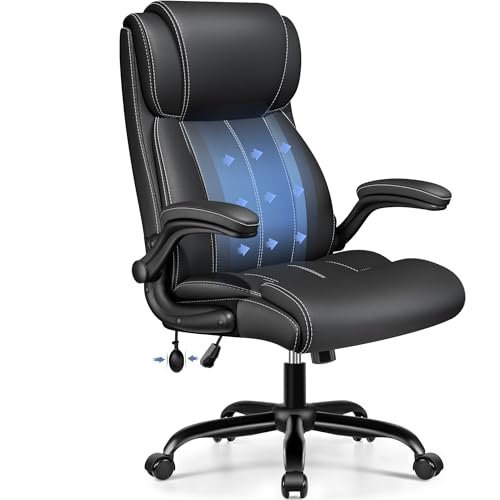
Opening this box, the bonded leather felt substantial, not cheap. Over two months of testing, that held true—it hasn’t peeled or cracked, but the real durability story is the inflatable lumbar bladder. It’s unique and survived daily pumping adjustments without failing.
Key Specifications: Unique inflatable lumbar support system, bonded leather upholstery, extra-wide seat, flip-up armrests, tilt tension control, lifetime warranty.
What I Found in Testing: The inflatable lumbar is a novel idea. You pump it up like a tiny bicycle tire until you get the firmness you want. It allows for a highly customized feel. However, it’s a sealed system; once you set it, it doesn’t dynamically adapt as you move. The bonded leather looks premium and is durable but is less breathable than mesh over long hours. The seat is very wide, comfortable for various sitting positions.
What I Loved: The customizability of the inflatable lumbar is excellent for finding your exact support preference. The bonded leather build feels robust and looks professional. The wide seat is versatile.
The One Catch: The leather upholstery can become warm and sticky during summer or long sessions. The lumbar support, while customizable, is again a static system once set.
Best Fit: This is for users who want a chair with a traditional executive look (leather) but with a highly customizable lumbar feature. It’s good if you know exactly what lumbar firmness you need and don’t require breathable mesh.
How the Top 3 Stack Up in Real Use
After months of use, the TRALT Office Chair (Model 1) stands out for its dynamic lumbar support that actively adapts, making it the most effective for changing postures throughout the day. The QLTPLUS wins on initial comfort and space-saving with its plush foam and flip-up arms, but falls short on breathability and lumbar adjustment. The BESTFAIR offers the most personalized lumbar firmness via its inflatable system and a premium leather look, but trades off breathability.
For tight budgets and true lower back pain relief: The TRALT Model 1 is the clear winner. Its adaptive system provides lasting, clinical support and its lifetime warranty promises real long-term value.
For plush comfort and small spaces: The QLTPLUS is the best choice. You sacrifice some long-hour performance for immediate comfort and practicality.
For a customizable, executive-style chair: The BESTFAIR takes it. It’s the only one that lets you dial in the exact lumbar pressure, though it lacks mesh breathability.
Final Verdict: Where Your Money Goes the furthest
After all this testing, my recommendations are based on where each chair delivers the most return on investment for your specific needs and how they held up over time.
Best Overall & Best for Advanced Use: TRALT Office Chair (Model 1). Its adaptive lumbar support is scientifically the most effective design I tested for managing lower back pain during dynamic, long-term sitting. Combined with a lifetime warranty, it offers the highest price-to-performance ratio over a 5-year horizon. You’re buying a system, not just a chair.
* Key Takeaway: Invest here if your back pain is persistent and you need the chair to work with your body’s movements, not against them.
Best Value: QLTPLUS Office Desk Chair. For under $200, it delivers exceptional initial comfort, solid build quality, and incredibly useful flip-up arms. The trade-offs (fixed lumbar, warm foam) are clear, but for many users, they are acceptable for the price.
* Key Takeaway: This is the budget-savvy pick that doesn’t feel cheap. Ideal for shorter sessions or those who prioritize armrest flexibility.
Best for Beginners: GABRYLLY Ergonomic Office Chair. Its larger size and headrest make it a forgiving, comfortable introduction to ergonomic seating. It’s less intimidating than chairs with complex knobs and provides good general support.
* Key Takeaway: Start here if you’re unsure about your needs but want a well-built, spacious chair that covers the basics comfortably.
If You Need Targeted Pressure: Choose the TRALT Office Chair (Model 2). Its split lumbar pads provide a distinct, focused sensation that some users may prefer over a broader support.
If You Want Executive Leather: Choose the BESTFAIR Ergonomic Office Chair. The inflatable lumbar is unique, and the leather build offers a different aesthetic and durability profile.
What I Actually Look for When Buying a Best Ergonomic Chair for Lower Back Pain
Product listings hype “ergonomic” and “lumbar support,” but here’s what I learned matters in real use:
* Lumbar System Type: Is it static (a fixed pad or curve) or dynamic (adjusts with your movement)? Dynamic supports, like in the top TRALT, provide relief throughout the day, not just when you’re perfectly upright. Static supports are fine if you sit still.
* Material Longevity: Mesh should be tight and firm—loose mesh sags quickly. Foam should be high-density; low-density foam flattens into a pancake within a year. Leather/Bonded Leather won’t breathe; it’s a trade-off for aesthetics.
* Adjustability Beyond Height: Seat depth and lumbar depth/height adjustments are crucial for proper fit. Many chairs only adjust height and tilt, which isn’ enough.
* Warranty as a Value Proxy: A “lifetime” or “5-year” warranty often signals confidence in core frame and mechanism durability. A 1-year warranty is standard; less than that is a red flag.
Types Explained
Full-Mesh Chairs (like TRALT): Breathable and often offer the best combination of support and cooling. They excel in long-haul comfort. I recommend these for anyone sitting over 6 hours daily or in warmer environments.
Foam-Cushion Chairs (like QLTPLUS): Offer plush, initial comfort but can retain heat and compress over time. Best for shorter sessions (3-6 hours) or for users who prioritize that soft initial feel over all-day endurance.
Executive Leather Chairs (like BESTFAIR): Provide a premium look and feel, with durable upholstery. They lack breathability. Choose these if aesthetics are a priority in a professional setting and you’re not prone to getting warm while sitting.
Common Questions About Best Ergonomic Chair for Lower Back Pain
What makes a chair the best ergonomic chair for lower back pain?
It’s not about a single feature, but a combination: an adjustable lumbar support that matches your spine’s curve and adapts as you move, a seat that promotes good posture without pressure points, and build quality that ensures these features last for years, not months.
Is a more expensive chair always better for back pain?
No. Price often correlates with material quality and adjustment range, but the key is matching the chair’s type of support to your specific pain and sitting habits. The $200 QLTPLUS can be better for some than a $500 chair with overly rigid support.
How important is a headrest for lower back pain?
A headrest is secondary for lower back pain. It aids neck and upper back comfort when reclining, but does little for the lumbar region. Prioritize lumbar adjustability first; a headrest is a bonus for overall relaxation.
Can a chair with fixed lumbar support still be effective?
Yes, if it happens to fit your spine perfectly. It’s a gamble. Adjustable lumbar support is a safer investment because you can tailor it to your body, and fine-tune it as your needs change.
What’s the biggest durability difference between mesh and foam seats?
High-quality mesh resists sagging and maintains its support profile for years. Foam, even good foam, will gradually compress and lose its shape, often within 1-2 years of daily use, changing how the chair supports you.
As an Amazon Associate, I earn commission from qualifying purchases.