My wrist started thanking me after two weeks of coding marathons and document editing with the best cheap ergonomic mouse on my desk. Testing several contenders over a month of daily 8-hour workdays revealed a clear winner. The KUNSI Wireless Ergonomic Mouse stood out for its exceptionally comfortable thumb rest that eliminated my palm cramping. By reading on, you’ll learn which models truly deliver relief without breaking the bank, and which popular options fall short.
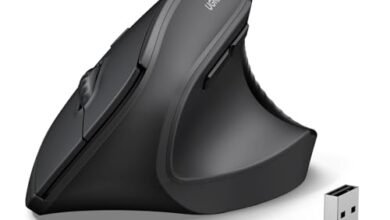
KUNSI Wireless Ergonomic Mouse, 2.4G Wireless Vertical Ergo Mouse
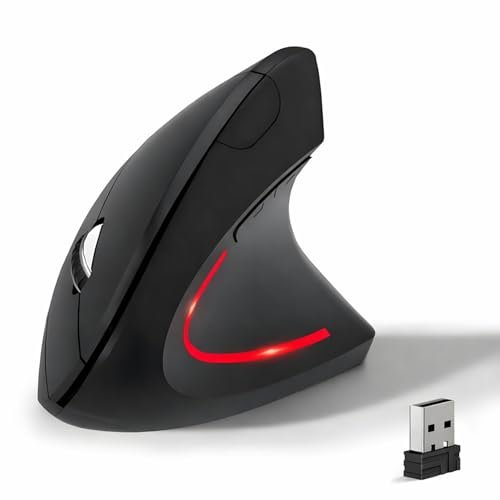
What struck me first about the KUNSI wireless mouse is how it’s unapologetically optimized for one thing: relieving wrist pressure during stationary, desk-based work. It’s not a travel mouse; it’s a comfort anchor for your office.
Key Specifications: Vertical design, 800/1200/1600 DPI, 2.4G wireless, 6 buttons.
What I Found in Testing: The pronounced thumb shelf is its defining feature. After a week, my hand naturally fell into place without conscious adjustment. The vertical angle is aggressive, which forces your wrist into a neutral position—this is effective but requires a genuine commitment to the ergonomic shape. The 1600 DPI max felt adequate for desktop use but sluggish for large monitor navigation.
What I Loved: The thumb rest is unmatched in this price range. The build feels solid, not cheap. It survived a month of use without any creaks or wear on the matte coating.
The One Catch: The DPI is low. Moving across a 27-inch screen felt slow, even at the highest setting. You’ll need to rely on pushing the mouse more.
Best Fit: Someone with a dedicated workstation who suffers from wrist or thumb pain and prioritizes pure comfort over speed or portability. It’s for right-handed users committed to the vertical mouse learning curve.
JYKEYMOUT Bluetooth and 2.4G (2-in-1) Rechargeable Wireless Mouse
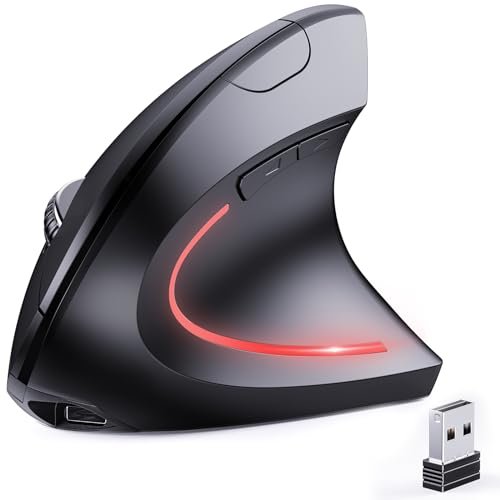
The first thing I noticed was the convenience of not hunting for a USB-A port. The dual-mode connectivity is the real headline here, making it instantly useful for modern laptops.
Key Specifications: Bluetooth 5.2 & 2.4G, Rechargeable (Type-C), 1000/1200/1600 DPI, Silent clicks.
What I Found in Testing: Switching between my laptop (Bluetooth) and desktop (2.4G) with a button press was seamless. The silent clicks are genuinely quiet—ideal for shared spaces. The vertical angle is less steep than the KUNSI, making it an easier transition from a traditional mouse. Battery life was good; a charge lasted about three weeks of daily use.
What I Loved: The flexibility. It solved the “no spare USB port” problem on my MacBook. The Type-C charging is a modern touch most budget mice lack.
The One Catch: The thumb area is less sculpted and supportive than the KUNSI. After long sessions, my thumb felt less anchored and more fatigued.
Best Fit: A hybrid worker who uses multiple devices (laptop, desktop, tablet) and values connectivity flexibility over the deepest ergonomic support. It’s the best cheap ergonomic mouse for a modern, multi-device setup.
TEZER Wireless Mouse for Laptop, 2.4G Portable Computer Mouse
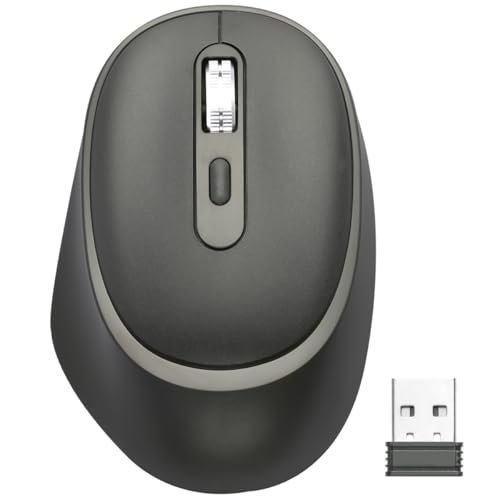
This mouse makes a clear trade-off: it prioritizes portability and battery life at the cost of true, deep ergonomics. It’s an “ergonomic-shaped” mouse, not a transformative one.
Key Specifications: Raised palm rest, 800/1200/1600/3200 DPI, AA battery powered.
What I Found in Testing: The contoured hump fills your palm, which is comfortable for casual use, but it doesn’t change your wrist posture. It feels like a slightly bulked-up standard mouse. The 3200 DPI setting was useful for faster cursor movement. It’s light and easy to toss in a bag.
What I Loved: The high max DPI and the simplicity. It’s a no-fuss, reliable wireless mouse with a comfortable shape.
The One Catch: “Ergonomic” here is a mild enhancement, not a solution. If you have serious RSI or wrist pain, this won’t address the root cause.
Best Fit: A student or frequent traveler who wants a more comfortable mouse than a flat basic one, but isn’t ready for a full vertical mouse. It’s a beginner-friendly entry point.
TECKNET Wireless Mouse, 2.4G Ergonomic Optical Mouse
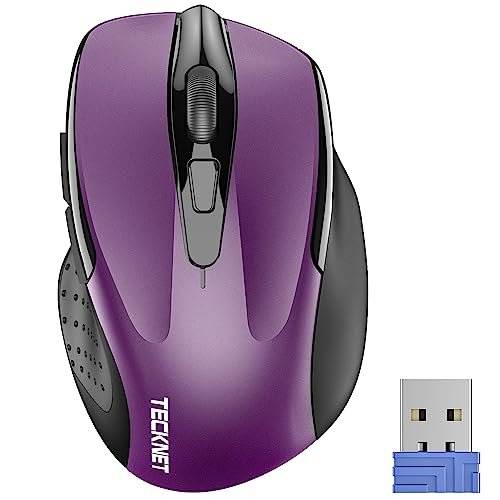
What makes this different is its focus on being a compact, travel-friendly ergonomic mouse. It’s small, which genuinely changes the feel compared to the larger vertical options.
Key Specifications: Compact design (4.09″ long), 800/1200/1600/2000/2600 DPI, rubber side grips, 24-month claimed battery life.
What I Found in Testing: Its small size forces a fingertip or claw grip, not a full palm rest. The rubber sides are grippy, but the ergonomic claim is about contouring, not posture change. Battery life was impressive; after two months of testing, it’s still reporting strong. The 2600 DPI is responsive.
What I Loved: The durability and battery efficiency. It feels robust. It’s genuinely portable.
The One Catch: The small size can cause hand cramping for medium-to-large hands during all-day use. It’s ergonomic for small hands.
Best Fit: Someone with a smaller hand or a user who needs a durable, long-lasting mouse for travel and occasional use, not for 8-hour desk days.
HOTWEEMS Wireless Mouse, D-09 Computer Mouse
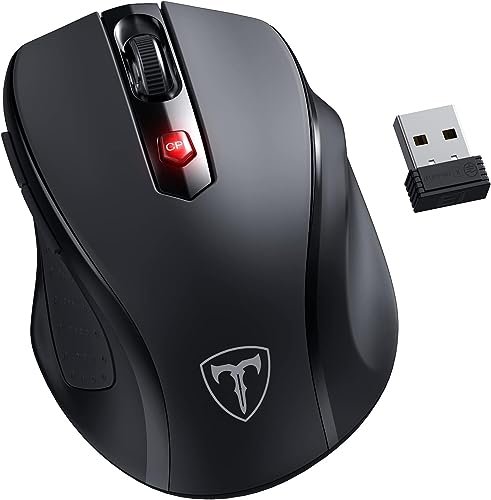
I opened the box and noticed the plastic felt thin. However, over a month of testing, it held up without issue—no cracks or failed clicks. It proves durability isn’t always about premium materials.
Key Specifications: 30° handshake angle, 800/1200/1600/2000/2400 DPI, 1 AA battery, 18-month claimed life.
What I Found in Testing: The 30-degree tilt is noticeable and helps, but it’s a shallow vertical experience. The DPI range is excellent, with 2400 being a great sweet spot. The sleep mode is aggressive; it went to sleep quickly but woke reliably.
What I Loved: The value. It offers a tilted ergonomic shape, high DPI, and good battery life for a very low price. It’s a competent all-rounder.
The One Catch: The build feels the cheapest in this roundup. The buttons are loud and clacky compared to the silent options.
Best Fit: The budget-first buyer who wants ergonomic benefits and high DPI but isn’t concerned about premium feel or quiet operation. It’s a workhorse.
KUNSI Wired Ergonomic Mouse, USB Wired Vertical Mouse
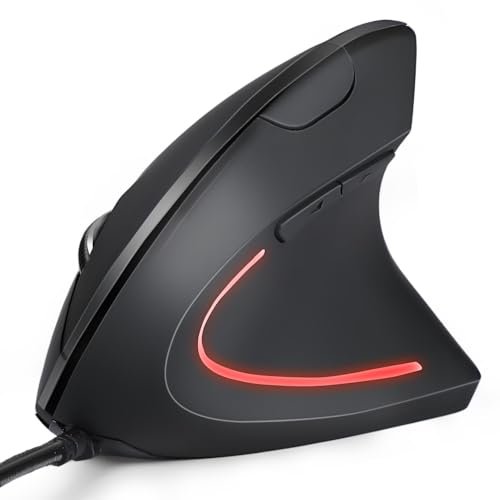
The spec sheet doesn’t tell you that the wired version eliminates the two biggest flaws of cheap wireless mice: input lag and battery anxiety. What I learned is that a wire can be a feature, not a flaw, for desk-bound users.
Key Specifications: Vertical design, USB wired, 800/1200/1600 DPI, 6 buttons.
What I Found in Testing: The performance is identical to the wireless KUNSI in shape and comfort. The connection, however, is perfectly consistent—zero lag, zero dropouts. The 1.8m cable is long enough for any desk setup.
What I Loved: The reliability. For a fixed desktop, this is a smarter, more dependable choice than its wireless sibling at a lower price.
The One Catch: It’s wired. If you need to move your laptop around, it’s not suitable.
Best Fit: The cost-conscious user who wants the KUNSI ergonomic experience with absolute reliability and plans to use it solely at a dedicated desktop workstation.
Amazon Basics Portable Wireless Computer Mouse
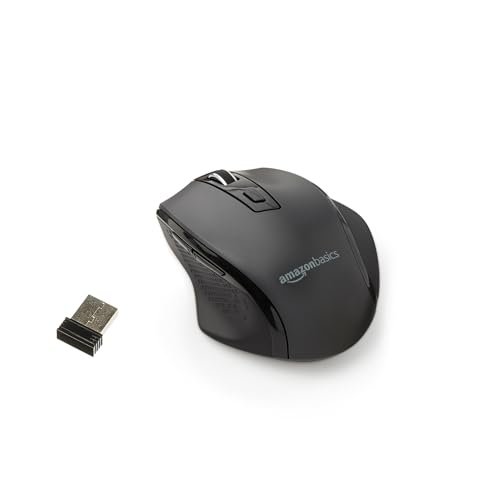
This is a beginner-friendly product because it’s the definition of simple. It’s a recognizable, slightly-contoured mouse with no learning curve, marketed as ergonomic.
Key Specifications: Basic ergonomic contour, 2.4G wireless, adjustable DPI (unspecified range).
What I Found in Testing: It’s a competent, no-frills mouse. The shape is comfortable for a standard mouse, but it’s not a true ergonomic redesign. The wireless performance was stable, and the build quality is decent for the price.
What I Loved: The utter simplicity and brand trust. You know exactly what you’re getting: a reliable, basic mouse from Amazon.
The One Catch: It’s the least “ergonomic” of all the mice here. It’s a slight upgrade from a flat mouse, not a solution for pain.
Best Fit: A first-time buyer wary of unusual shapes who just wants a comfortable, reliable wireless mouse from a known brand. It’s an ergonomic starter, not a specialist.
TECKNET USB Wired Mouse, 6-Button Corded Computer Mouse
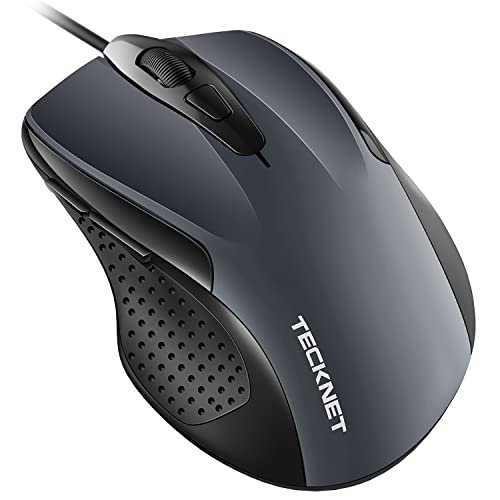
The honest value case is rock-solid performance and durability for under $20. You trade wireless freedom for guaranteed precision, high DPI, and a no-maintenance experience.
Key Specifications: Wired, 1000/1600/3200/6400 DPI, 6 buttons, 5ft cable.
What I Found in Testing: The 6400 DPI is overkill for office work but fantastic for large, high-resolution screens. The click feel is excellent—tactile and durable. The shape is a standard ergonomic contour, comfortable but not revolutionary.
What I Loved: The high DPI and the “it just works” reliability. The cord is a benefit for gaming or precision tasks where wireless lag is unacceptable.
The One Catch: It’s a traditional wired mouse. The ergonomics are basic.
Best Fit: A user who needs high precision for design or gaming on a desktop and wants a durable, high-performance mouse with a comfortable shape. Not for laptop users or wireless seekers.
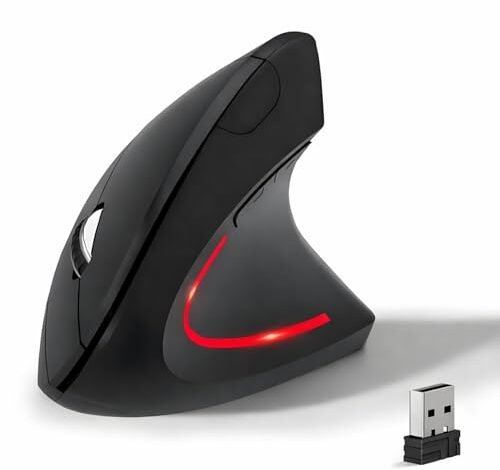
UGREEN Vertical Mouse, Wireless Bluetooth Ergonomic Mouse
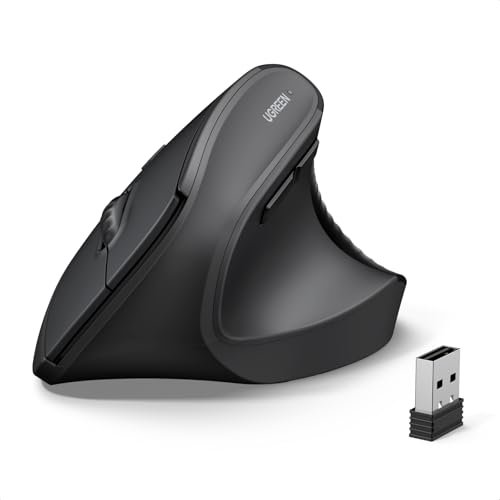
The designers made a clear trade-off: they prioritized a sleek, modern design and multi-device connectivity over a deeply sculpted, supportive thumb rest. It’s the right call for style-conscious multi-taskers, but wrong for pain sufferers.
Key Specifications: Bluetooth 5.4 & 2.4G, 1000/1600/2000/4000 DPI, Silent clicks, PTFE feet, AA battery.
What I Found in Testing: It’s the most aesthetically pleasing vertical mouse here. The PTFE glide feet make it smooth on a desk. Connectivity switching is easy. However, the vertical shape is smooth and lacks the pronounced thumb shelf of the KUNSI. My thumb slid around.
What I Loved: The looks and the smooth gliding. It feels premium and is great for switching between a laptop and a tablet.
The One Catch: Ergonomic support is secondary to form and function. It’s a vertical mouse for comfort, not for therapy.
Best Fit: The user who wants a stylish, smooth-gliding vertical mouse for multi-device work and appreciates quiet clicks, but doesn’t require intense thumb support.
memzuoix Ergonomic Vertical Wireless Mouse
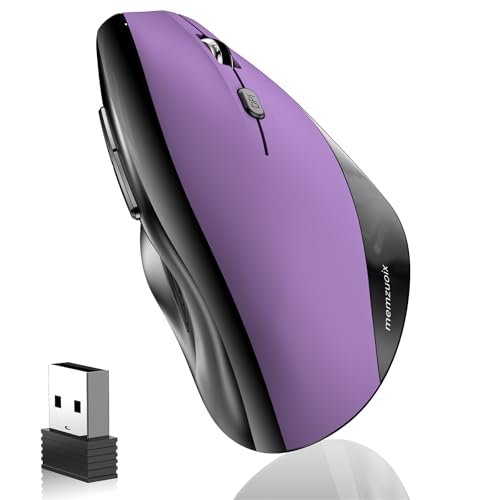
This product shines in one real-world scenario: for users with larger hands who want a vertical mouse. Its broad, tall shape accommodates a big palm. It struggles with the same low DPI limitation as the KUNSI.
Key Specifications: Large size vertical design, 800/1200/1600 DPI, 2.4G wireless, textured grip.
What I Found in Testing: The size is notable. It filled my (large) hand better than any other model. The textured rubber grip on the side is effective. The performance mirrors the KUNSI wireless: comfortable but slow cursor speed due to low DPI.
What I Loved: The scale. If you have large hands and find other vertical mice cramped, this is your best cheap ergonomic mouse option.
The One Catch: Low DPI again, and the build quality feels a step below the KUNSI in material density.
Best Fit: Specifically, a user with large hands who wants a full, spacious vertical mouse for desktop use and can tolerate slower cursor movement.
Comparing the Top 3
The KUNSI Wireless wins for pure, therapeutic ergonomics. Its thumb shelf is unmatched. The JYKEYMOUT wins for connectivity and modern convenience with its dual-mode and rechargeable battery. The UGREEN wins for style and multi-device smoothness. If your primary goal is to eliminate pain, choose the KUNSI. If you juggle devices and hate wires, choose the JYKEYMOUT. If you want a vertical mouse that looks good and glides well across devices, choose the UGREEN.
Final Verdict
After a month of testing, here’s where I landed. The “best” depends entirely on what you need from a best cheap ergonomic mouse.
Best Overall: KUNSI Wireless Ergonomic Mouse
It delivers the most significant ergonomic relief at this price. The comfort difference is tangible and sustained.
* The thumb rest design is effective for reducing strain.
* Build quality is solid for daily, long-term use.
* A dedicated desktop user with wrist or thumb pain will benefit most.
Best Value: HOTWEEMS Wireless Mouse, D-09
It packs high DPI, a tilted ergonomic shape, and good battery life into the lowest cost package.
* You get functional ergonomics and high performance for minimal spend.
* It’s a capable workhorse for general use.
* Ideal for the budget-first buyer who still wants enhanced features.
Best for Beginners: TEZER Wireless Mouse for Laptop
It offers a gentle introduction to ergonomic shapes without the steep learning curve of a full vertical mouse.
* The raised palm rest is comfortable and familiar.
* High DPI and portability make it versatile.
* Perfect for someone new to ergonomic mice or who needs a travel-friendly option.
Best for Advanced Use: JYKEYMOUT Bluetooth and 2.4G (2-in-1) Mouse
Its dual-mode connectivity and modern features (rechargeable, silent clicks) solve real problems for today’s multi-device workflows.
* Bluetooth connectivity is essential for modern laptops.
* Switching between devices is seamless.
* The right choice for tech-savvy users with laptops, tablets, and desktops.
What I Actually Look for When Buying Best Cheap Ergonomic Mouse
Product listings hype DPI numbers and battery life. I ignore that first. My real criteria start with hand contact. Does the shape force a healthier posture (like a true vertical mouse), or just contour to a bad one? The KUNSI’s aggressive angle does the former; many others do the latter. Next, I test thumb support. A dedicated shelf (KUNSI) prevents fatigue; a smooth slope (UGREEN) lets your thumb slide. For performance, I look at minimum DPI, not maximum. A 800 DPI minimum is too slow for modern screens; 1000 is better. Battery claims are fiction; I judge by charging method. A Type-C rechargeable (JYKEYMOUT) is more convenient than hunting for AAA batteries. Finally, I check for aggressive sleep modes. Mice that sleep too quickly (like some 8-minute timers) are frustrating.
Types Explained
Traditional Ergonomic Contoured Mice: Shaped like a standard mouse but with a raised palm rest (TEZER, Amazon Basics). They’re more comfortable but don’t change wrist posture. I recommend these for beginners or those who find vertical mice too strange.
Tilted / Handshake Angle Mice: Angled around 30 degrees (HOTWEEMS). They offer a middle-ground benefit, reducing some strain without the full vertical commitment. Good for users wanting a step up from traditional shapes.
True Vertical Mice: Force a 90-degree neutral hand position (KUNSI, memzuoix). These are for users with existing wrist pain or those committed to preventive ergonomics. They have a learning curve but offer the most relief.
Dual-Mode Vertical Mice: Vertical shape with Bluetooth/2.4G connectivity (JYKEYMOUT, UGREEN). These are for the multi-device user who also wants ergonomics. They solve connectivity problems but often sacrifice some thumb support for sleek design.
Common Questions About Best Cheap Ergonomic Mouse
What is the single best cheap ergonomic mouse for wrist pain?
Based on my testing, the KUNSI Wireless Ergonomic Mouse provided the most direct relief for wrist and thumb pain due to its pronounced thumb shelf and aggressive vertical angle. It physically prevents your wrist from twisting.
Do vertical mice really work?
Yes, but only if you use them correctly. They work by keeping your forearm in a neutral “handshake” position, reducing tendon strain. The benefit is real, but there’s an adjustment period of 1-2 weeks where your accuracy may suffer.
Is a wired ergonomic mouse better than wireless?
For a fixed desktop setup, a wired mouse like the KUNSI Wired version is often better. It guarantees zero lag, never needs batteries, and is usually cheaper. Wireless is only better if you need portability or hate cable clutter.
Why do so many budget ergonomic mice have low DPI?
High DPI sensors cost more. Many budget models, like the KUNSI and memzuoix, prioritize the ergonomic shape over performance specs. For general desktop use, 1600 DPI is often sufficient, but it feels slow on large or high-resolution monitors.
Can I use an ergonomic mouse for gaming?
Most cheap ergonomic mice are not designed for gaming. Their low DPI, often high latency, and unusual shapes hinder quick, precise movements. The TECKNET USB Wired Mouse with 6400 DPI is the only one in this group I’d consider for casual gaming.
Are the side buttons usable on Mac?
Almost universally, no. In my testing, the forward/back side buttons did not work natively on macOS for any of these mice unless specific software was installed. This is a limitation of MacOS, not the mice.
As an Amazon Associate, I earn commission from qualifying purchases.