Why Is My Outlet Warm with Nothing Plugged In? is often an indication of underlying electrical issues, ranging from minor to potentially serious. While a slight warmth might be normal in some circumstances, unusual heat signals that something within your electrical system may require attention. Understanding the root causes of this warmth is crucial for maintaining household safety and preventing potential hazards.
Quick Answers to Common Questions
Help! My outlet is warm with nothing plugged in. Is this normal?
Absolutely not! While a tiny bit of imperceptible warmth might occur, an actively *warm* outlet with nothing plugged in is a red flag. It usually points to an underlying electrical issue that needs attention.
So, why is my outlet warm with nothing plugged in?
The most common culprits behind why your outlet is warm with nothing plugged in are loose wiring connections within the outlet box, an overloaded circuit affecting that line, or even an internal fault with the outlet itself. These issues create resistance, leading to heat.
Is a warm outlet with nothing plugged in dangerous?
Yes, it can be very dangerous! Persistent warmth from your outlet with nothing plugged in is a potential fire hazard. It’s crucial to have a professional electrician examine it promptly to prevent more serious problems.
📑 Table of Contents
- Understanding the Basics of Electrical Heat
- Common Causes for Why Is My Outlet Warm with Nothing Plugged In?
- Potential Dangers and Why Immediate Attention is Crucial
- Troubleshooting and Resolving Why Is My Outlet Warm with Nothing Plugged In
- When to Call a Professional Electrician
- Preventative Measures and Maintaining Electrical Safety
Understanding the Basics of Electrical Heat
Electricity flowing through a conductor always generates some amount of heat due to resistance. This is a fundamental principle of physics, described by Joule’s Law. In a properly functioning electrical system, this heat is minimal and safely dissipated. However, when resistance increases abnormally, or current flow is higher than intended, the heat generated can become problematic.
Normal Operating Temperatures for Outlets
Under normal conditions, a standard electrical outlet should feel cool to the touch, or at most, slightly ambient. If an appliance is drawing significant power, like a hair dryer or toaster, the outlet might become noticeably warm while in use, but this warmth should dissipate quickly once the appliance is unplugged. Persistent warmth with nothing connected is typically a sign that heat is being generated continuously from an internal issue rather than external load.
The Role of Current Flow and Resistance
Electrical current creates heat when it encounters resistance. Think of a garden hose: if it’s clear, water flows freely. If it’s crimped or narrowed, pressure builds, and the hose might strain. Similarly, in an electrical circuit, loose connections, corroded wires, or faulty components act as points of increased resistance. When current attempts to flow through these high-resistance points, excessive heat is generated, which can radiate outward, making the outlet warm.
Common Causes for Why Is My Outlet Warm with Nothing Plugged In?
Several factors can contribute to an outlet feeling warm even when idle. Identifying these causes is the first step toward a solution.
Loose Wiring Connections
This is perhaps the most frequent culprit. Over time, due to house settling, vibrations, or improper initial installation, the wires connected to the outlet terminals can loosen. A loose connection creates a small air gap and increases resistance, causing arcing (small sparks) and significant heat generation. This localized heat can easily make the outlet cover feel warm to the touch.
Faulty Outlet or Wiring Components
Internal components of an outlet can degrade over time. Springs, contacts, or internal wiring within the outlet itself can become loose, corroded, or damaged. A faulty ground wire, for instance, might not cause immediate obvious issues but could contribute to increased resistance. Similarly, poor quality outlets are more prone to these internal failures earlier in their lifespan.
Overloaded Circuit (Even Without a Plugged-In Device)
While nothing might be directly plugged into the warm outlet, it could be part of a circuit that is currently overloaded by other devices elsewhere. If a circuit is consistently drawing more current than it’s rated for, all components on that circuit, including unused outlets, might experience increased heat. This scenario is particularly concerning as it indicates a systemic issue with circuit capacity.
Backstab Wiring Issues
Many modern outlets offer “backstab” wiring connections, where a wire is simply pushed into a small hole, rather than securely wrapped around a screw terminal. While convenient for installation, these connections are notorious for loosening over time, leading to increased resistance and heat generation. This method of wiring is generally less reliable than screw terminals.
Shared Neutral Wires
In some multi-wire branch circuits, a single neutral wire is shared by two or more hot wires. If one of the hot wires is carrying a heavy load, and the other is also active, the shared neutral wire can end up carrying more current than it’s safely rated for, leading to overheating. This heat can then transfer to nearby outlets, making them feel warm.
Potential Dangers and Why Immediate Attention is Crucial
A warm outlet should never be ignored. It’s a clear warning sign of an electrical problem that could escalate into a dangerous situation.
Fire Hazard
Excessive heat is the primary precursor to electrical fires. When wires or components overheat, surrounding insulation, wood framing, or other combustible materials can ignite. Loose connections, in particular, can lead to arcing faults, which generate extremely high temperatures capable of starting a fire within walls or at the outlet itself.
Electrical Shock Risk
Damaged or overheated wiring can compromise the integrity of the electrical insulation. This can expose live wires, increasing the risk of accidental electrical shock to anyone touching the outlet or nearby metal objects. This risk is amplified in areas with moisture, such as bathrooms or kitchens.
Damage to Electrical System and Appliances
Continuous overheating can degrade the entire electrical system. Wires can become brittle, insulation can melt, and circuit breakers can weaken, leading to more frequent trips or eventual failure. If an appliance were to be plugged into an overheating outlet, it could be damaged by inconsistent voltage or excessive heat, potentially shortening its lifespan or rendering it unusable.
Troubleshooting and Resolving Why Is My Outlet Warm with Nothing Plugged In
Addressing a warm outlet requires caution and a systematic approach. If you’re uncomfortable with any of these steps, always defer to a professional.
Safety First: What to Do Immediately
The very first step is to turn off the power to the affected outlet at your circuit breaker panel. Locate the breaker that controls the circuit where the warm outlet is located and flip it to the “OFF” position. This will de-energize the circuit, making it safer to inspect. If you’re unsure which breaker it is, turn off the main breaker to the entire house.
Visual Inspection and Initial Checks
Once the power is off, carefully remove the outlet cover. Look for any visible signs of damage:
- Discoloration or Scorching: Blackened areas on the outlet, wires, or inside the electrical box are strong indicators of overheating and arcing.
- Melted Plastic: Any deformation or melting of the outlet’s plastic housing or wire insulation is a serious sign.
- Burnt Smell: A distinct burnt plastic or metallic odor is a critical warning.
- Loose Wires: Gently tug on each wire connected to the outlet terminals (after confirming power is off). Any loose wires should be securely tightened.
Testing with a Multimeter or Outlet Tester
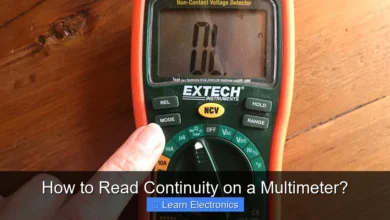
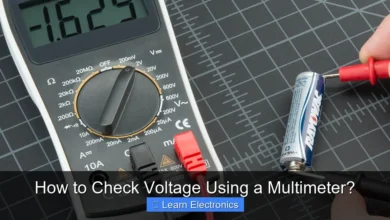
An inexpensive outlet tester can quickly check for proper wiring configuration (open ground, reverse polarity, etc.). While it won’t directly measure heat, it can reveal underlying wiring faults. A multimeter, when used correctly, can measure voltage and continuity, helping to diagnose issues like voltage drops or unexpected current flow (though this is best done by an electrician).
Checking the Circuit Breaker and Load
If the breaker for the circuit is frequently tripping, it’s a sign of an overload. Even if it’s not tripping, consider what other appliances are on the same circuit. Try distributing high-draw appliances to different circuits to reduce the load on the affected one. Sometimes, a faulty breaker itself can also generate heat and radiate it through the circuit.
Here’s a quick reference for common causes and their indicators:
| Common Cause | Primary Indicators | Severity |
|---|---|---|
| Loose Wiring Connections | Warm outlet, flickering lights, buzzing sounds, discolored terminals | High (Fire Hazard) |
| Faulty Outlet/Component | Localized warmth, inconsistent power, burnt smell (inside outlet) | Medium to High |
| Overloaded Circuit | Multiple outlets/devices warm, frequent breaker trips, dimming lights | High (Fire Hazard) |
| Backstab Wiring | Persistent warmth, especially in older installations | Medium to High |
| Shared Neutral Wire | Warmth on specific multi-wire circuits, potentially without direct load | Medium to High |
When to Call a Professional Electrician
While some minor issues might be resolvable by a handy homeowner, many situations warrant professional intervention. This is especially true when dealing with Why Is My Outlet Warm with Nothing Plugged In.
Persistent Warmth or Visible Damage
If an outlet remains warm after you’ve tightened connections, reduced loads, or if you observe any scorching, melted plastic, or a burnt smell, it’s time to call an electrician. These are clear indicators of serious underlying issues that require expert diagnosis and repair.
Lack of Confidence in DIY Electrical Work
Electrical work carries significant risks. If you are not confident in your ability to safely diagnose or repair electrical problems, or if you lack the necessary tools and knowledge, do not hesitate to call a licensed professional. Attempting DIY repairs without proper expertise can worsen the problem or create new hazards.
Complex Wiring or Unknown Causes
For issues involving complex wiring (like multi-wire branch circuits), persistent problems across multiple outlets, or when you simply can’t identify the cause of the warmth, an electrician has the training and equipment to safely troubleshoot and resolve the issue. They can identify hidden problems within walls, assess the overall health of your electrical panel, and ensure all work complies with electrical codes.
Preventative Measures and Maintaining Electrical Safety
Proactive maintenance and adherence to best practices can significantly reduce the likelihood of a warm outlet and other electrical hazards.
Regular Electrical Inspections
Consider having a qualified electrician perform a thorough electrical inspection of your home every few years, especially if it’s an older property or if you’ve recently purchased it. They can identify potential issues like loose connections, aging wiring, or overloaded circuits before they become serious problems.
Proper Wiring Practices
Always ensure that any new electrical installations or repairs are done by a qualified electrician or to the highest standards if performing DIY. This includes using appropriate wire gauges, securely making all connections (preferably using screw terminals rather than backstab methods), and ensuring all components are rated for their intended use.
Avoiding Circuit Overloads
Be mindful of how many high-power appliances are plugged into a single circuit. Use surge protectors for sensitive electronics and distribute major appliances across different circuits. If you frequently experience tripped breakers, it’s a sign that your electrical system may not be adequate for your power demands and might require an upgrade.
In conclusion, a warm outlet with nothing plugged in is a clear signal from your home’s electrical system that something is amiss. Taking immediate action, prioritizing safety, and knowing when to call a professional are essential steps to ensure the well-being of your household and prevent potentially dangerous electrical fires or shocks. Don’t ignore the warning signs; address them promptly and responsibly.
Frequently Asked Questions
Why is my outlet warm even when nothing is plugged in?
An outlet that feels warm without anything plugged into it often indicates an underlying electrical issue. This warmth can be caused by loose wiring connections within the outlet box, an overloaded circuit affecting other outlets on the same line, or even a faulty receptacle itself creating resistance.
Is a warm outlet with nothing plugged in a safety concern?
Yes, it can be a significant safety concern. A consistently warm outlet suggests excessive electrical resistance or current flow, which could lead to overheating, potential electrical fires, or damage to your home’s wiring system. It’s a clear warning sign that should not be ignored.
What are the common causes for a warm outlet with nothing plugged in?
The most common causes include loose wire connections at the outlet terminals or inside the junction box, which create resistance and generate heat. Other possibilities are an overloaded circuit where other devices on the same breaker are drawing too much power, or a defective outlet receptacle that is internally shorting or failing.
What should I do if I find a warm outlet with nothing plugged in?
If you discover a warm outlet, immediately unplug anything that might be connected to it (if anything was previously) and consider turning off the circuit breaker for that area of your home. Do not attempt to fix it yourself, and promptly contact a qualified electrician to diagnose and repair the issue safely.
As an Amazon Associate, I earn commission from qualifying purchases.