Why Does Plastic Get Sticky? Primarily, it’s due to a complex interplay of chemical degradation, plasticizer migration, and surface contamination altering the material’s integrity. This phenomenon can transform the feel of everyday items, indicating a breakdown of the polymer structure or an interaction with external elements. Understanding this process is crucial for maintaining the lifespan and aesthetic of plastic products.
The transformation of a smooth plastic surface into a tacky, unpleasant one is a common issue affecting a wide range of products, from electronics to household goods. This subtle change in texture is often a tell-tale sign of deeper chemical shifts occurring within the material, impacting its performance and durability over time.
Quick Answers to Common Questions
Why Does Plastic Get Sticky, Especially After Washing?
Often, plastic gets sticky because of plasticizer migration, where additives that make plastic flexible leach out and rise to the surface. This residue, especially with heat or repeated washing, feels tacky to the touch.
Is Sticky Plastic Safe to Use for Food?
While generally not harmful, sticky plastic indicates degradation, and it’s usually best to replace it. The stickiness can make it harder to clean effectively and might even impart a slight taste to your food.
How Can I Prevent My Plastic From Getting Sticky?
To prevent plastic from getting sticky, avoid exposing it to high heat from dishwashers or microwaves, which speeds up plasticizer leaching. Hand-washing with mild soap and air-drying can significantly extend its life and keep it smooth.
📑 Table of Contents
The Chemistry Behind Plastic Stickiness
At its core, the stickiness observed on plastic surfaces is a chemical issue. Plastics are polymers, long chains of repeating molecular units. Their properties – flexibility, hardness, transparency – are determined by the type of monomers used, the length of the polymer chains, and any additives incorporated during manufacturing. When plastic becomes sticky, it’s usually because these chemical structures are undergoing changes.
Polymer Degradation and Oxidation
One of the primary reasons plastics develop a sticky film is through degradation, often initiated by exposure to oxygen, UV light, or heat. This process is known as oxidation. When oxygen molecules react with the polymer chains, they can break them down into smaller, often more polar fragments. These smaller molecules can have lower molecular weights and become more mobile, migrating to the surface and forming a tacky layer.
- Oxidative Breakdown: UV radiation and heat provide the energy for oxygen to attack carbon-carbon bonds within the polymer chains. This creates free radicals, highly reactive molecules that initiate a chain reaction of degradation.
- Surface Residue Formation: As the polymer chains break, certain byproducts, often aldehydes, ketones, or carboxylic acids, are formed. These compounds are stickier and can leach to the surface, especially in humid conditions, giving the plastic its characteristic tackiness.
Plasticizer Migration: A Common Culprit
Many plastics, particularly those designed to be flexible (like PVC), contain additives called plasticizers. These are organic compounds added to increase the material’s flexibility, durability, and workability by positioning themselves between polymer chains, reducing intermolecular forces. Over time, and under certain conditions, these plasticizers can migrate out of the plastic matrix and onto the surface.
- Loss of Plasticizers: Exposure to heat, light, or even certain cleaning agents can accelerate the migration of plasticizers. As they evaporate or leach out, the plastic itself becomes more brittle, and the migrating plasticizers form an oily, sticky film on the surface.
- Chemical Incompatibility: Sometimes, the plasticizers are not fully compatible with the polymer, or they react with environmental factors, causing them to separate and form a surface layer. This is particularly noticeable in older flexible plastic items.
Environmental Factors Accelerating the Process
The environment in which plastic items are stored and used plays a significant role in how quickly and severely they can become sticky. Various external elements act as catalysts for the chemical reactions discussed above.
UV Light Exposure
Ultraviolet (UV) radiation is a powerful energy source that can directly break chemical bonds in polymers. Prolonged exposure to sunlight or strong artificial UV light significantly accelerates the degradation process, leading to stickiness. This is particularly true for plastics that lack adequate UV stabilizers.
- Sunlight Damage: Items left outdoors or near windows are highly susceptible. The UV light initiates oxidative reactions, breaking down the polymer and creating sticky surface residues.
- Fading and Brittleness: Alongside stickiness, UV exposure often causes plastics to fade in color and become brittle, further indicating material degradation.
Heat and Humidity
Elevated temperatures increase the kinetic energy of molecules, speeding up chemical reactions, including polymer degradation and plasticizer migration. High humidity can also exacerbate the issue by providing a medium for water-soluble degradation products or by promoting hydrolysis reactions (degradation by water).
- Thermal Degradation: Plastics stored in hot environments, like car interiors or attics, are prone to thermal degradation, which can lead to rapid stickiness.
- Hydrolysis: Some plastics, like polyurethanes, are susceptible to hydrolysis, where water molecules break down the polymer chains, leading to a sticky, gummy residue.
Chemical Contaminants and Cleaning Agents
Contact with certain chemicals can also induce stickiness. Solvents, aggressive cleaning agents, or even skin oils can react with the plastic or accelerate the migration of additives.
- Reactive Agents: Chemicals like alcohol, acetone, or strong detergents can dissolve or react with the plastic surface, altering its composition and making it tacky.
- Skin Oils and Sweat: Over time, the oils and acids from human skin can interact with certain plastics, especially those in frequently handled items, contributing to surface degradation and stickiness.
Common Plastics Prone to Becoming Sticky
Not all plastics are equally susceptible to stickiness. The chemical composition dictates their vulnerability to degradation and plasticizer migration. Understanding why plastic gets sticky in specific types can help in care and prevention.
Polyvinyl Chloride (PVC)
Flexible PVC is notorious for becoming sticky due to plasticizer migration. It is commonly used in cables, soft toys, shower curtains, and some automotive interiors. Over time, especially with heat and UV exposure, the plasticizers leech out, forming a greasy, tacky film on the surface.
Acrylonitrile Butadiene Styrene (ABS) and Polycarbonate
These rigid plastics are widely used in consumer electronics, computer casings, and appliance housings. While less prone to plasticizer migration (as they are not typically plasticized), they can become sticky due to surface degradation, particularly oxidation from UV exposure. The butadiene component in ABS is especially vulnerable to UV-induced oxidative breakdown.
Polyurethanes (PU)
Polyurethane coatings, foams, and synthetic leathers are known to become sticky and eventually disintegrate over time. This is often due to hydrolysis, where moisture breaks down the urethane linkages, leading to a gummy or crumbling texture.
Preventing and Remedying Sticky Plastic
Addressing the root causes of plastic stickiness often involves a multi-pronged approach of prevention and careful cleaning.
Preventive Measures
The best approach is prevention. By controlling environmental factors and using appropriate care, you can significantly extend the life of your plastic items.
- Limit UV Exposure: Keep plastic items out of direct sunlight. If an item must be outdoors, consider using UV-resistant covers or choosing products made with UV-stabilized plastics.
- Control Temperature and Humidity: Store plastics in cool, dry environments. Avoid leaving items in hot cars or damp basements for extended periods.
- Choose Appropriate Cleaners: Use mild, non-abrasive cleaners specifically designed for plastics. Avoid harsh solvents like acetone, alcohol, or ammonia-based products unless explicitly stated as safe by the manufacturer.
- Regular Cleaning: Gently wipe down plastic surfaces regularly with a damp cloth to remove surface contaminants before they can react with the plastic.
Remedial Strategies for Sticky Surfaces
Once plastic has become sticky, removing the residue can be challenging but not impossible. The effectiveness of removal methods depends on the type of plastic and the nature of the sticky film.
- Mild Soap and Water: For general stickiness caused by surface grime or light plasticizer migration, a cloth dampened with warm water and a small amount of mild dish soap can often work. Gently wipe, then rinse with a clean damp cloth and dry thoroughly.
- Isopropyl Alcohol (IPA): For more persistent stickiness, especially from plasticizer migration, a cotton ball or cloth with a small amount of isopropyl alcohol (rubbing alcohol) can be effective. Test on an inconspicuous area first, as IPA can sometimes damage certain plastics. Apply sparingly and wipe immediately.
- Baking Soda Paste: For stubborn, greasy residues, a paste made from baking soda and water can act as a mild abrasive to gently lift the film. Apply, let sit for a few minutes, gently scrub with a soft cloth, then rinse and dry.
- Erasers: For very localized, light stickiness on rigid plastics, a pencil eraser can sometimes gently rub off the tacky layer without damaging the surface.
- Specialized Plastic Cleaners: Some automotive or electronics cleaning products are specifically formulated to clean and restore plastic surfaces. Always follow product instructions carefully.
It’s important to note that if the stickiness is due to severe degradation of the plastic itself, a permanent fix might not be possible, and the item may continue to degrade.
Understanding Plastic Durability: A Comparative Look
The propensity for various plastics to exhibit stickiness varies significantly due to their inherent chemical structures and common additives. This table provides a general overview.
| Plastic Type | Common Uses | Primary Cause of Stickiness | Susceptibility Rating |
|---|---|---|---|
| Flexible PVC | Cables, shower curtains, soft toys, synthetic leather | Plasticizer migration | High |
| ABS | Electronics housings, car parts, LEGO bricks | UV degradation, oxidation (butadiene component) | Medium-High |
| Polycarbonate | CDs, DVDs, safety glasses, clear housings | UV degradation, hydrolysis (less common) | Medium |
| Polyurethane (PU) | Foams, coatings, synthetic leather, watch straps | Hydrolysis, oxidation | High |
| Polystyrene (PS) | Disposable cutlery, CD jewel cases, foam cups | Oxidation, solvent exposure | Medium |
| Polypropylene (PP) | Food containers, bottle caps, car bumpers | Extreme heat degradation (rarely sticky) | Low |
| High-Density Polyethylene (HDPE) | Milk jugs, detergent bottles, piping | Extreme degradation (rarely sticky) | Very Low |
When Sticky Plastic Signals a Deeper Problem
While often just an annoyance, persistent or recurring stickiness in plastic can be a sign of significant material failure. In some cases, particularly with older or highly degraded plastics, the release of these compounds could potentially pose minor health concerns, especially in items meant for food contact or children’s toys (though modern regulations have largely mitigated severe risks).
For electronic devices, stickiness can also precede or coincide with other forms of failure. Degrading plastics can become brittle, leading to cracks, or lose their insulating properties. If a plastic component on an electronic device becomes sticky, it could indicate that the material is no longer providing its intended structural integrity or protection, potentially exposing internal components to damage.
Ultimately, a sticky surface is a signal from the material that its chemical balance is off, urging you to understand the underlying causes and take appropriate action to either restore it or consider replacement.
Understanding why plastic gets sticky is more than just a matter of aesthetics; it’s about comprehending the complex chemical life cycle of synthetic materials that permeate our daily lives. From the migration of plasticizers to the relentless assault of UV light and oxygen, numerous factors contribute to this common phenomenon. By recognizing these causes and adopting proactive care strategies, we can extend the useful life of our plastic possessions and keep them feeling as good as new for longer. When stickiness does occur, a targeted approach to cleaning, coupled with an awareness of the plastic type, can often restore its original texture and prevent further degradation.
Frequently Asked Questions
Why does plastic get sticky over time?
This often happens due to a process called plasticizer migration. Manufacturers add chemicals called plasticizers to make plastic flexible, but over time, these molecules can leach out and rise to the surface, creating a tacky residue.
Which types of plastic are most prone to becoming sticky?
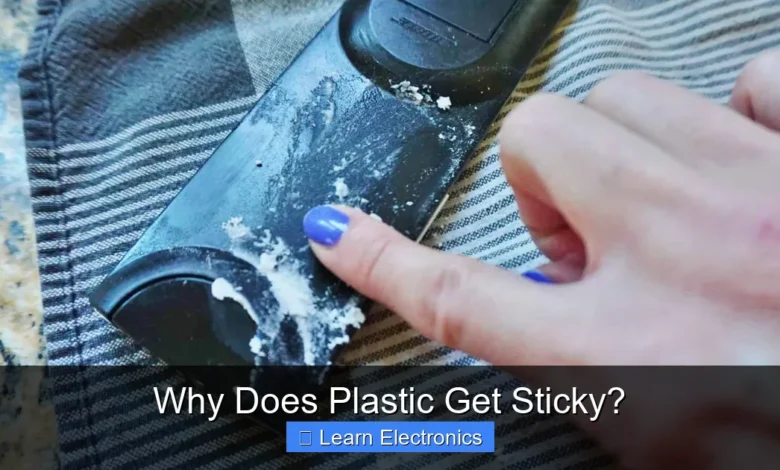
Softer plastics, particularly those containing plasticizers like PVC (polyvinyl chloride) and some types of polyurethane, are most susceptible. Examples include old phone cases, remote controls, or soft-touch coatings on electronics.
Do environmental factors contribute to sticky plastic?
Yes, heat, humidity, and UV light can accelerate the degradation process and plasticizer migration. Exposure to these elements can break down the plastic’s chemical bonds, leading to a faster onset of stickiness.
Can you clean sticky plastic, or is it permanently damaged?
Often, sticky plastic can be cleaned with rubbing alcohol (IPA), a mild detergent, or specialized plastic cleaners. However, if the stickiness is due to severe chemical breakdown, it might be a recurring issue, indicating the plastic is nearing the end of its useful life.
Is there a way to prevent plastic from getting sticky?
While complete prevention is difficult for plastics designed to be flexible with plasticizers, storing items away from direct sunlight, extreme heat, and high humidity can slow down the process. Once plastic is consistently sticky, it’s often a sign of material degradation, and replacement might be the best option.
As an Amazon Associate, I earn commission from qualifying purchases.