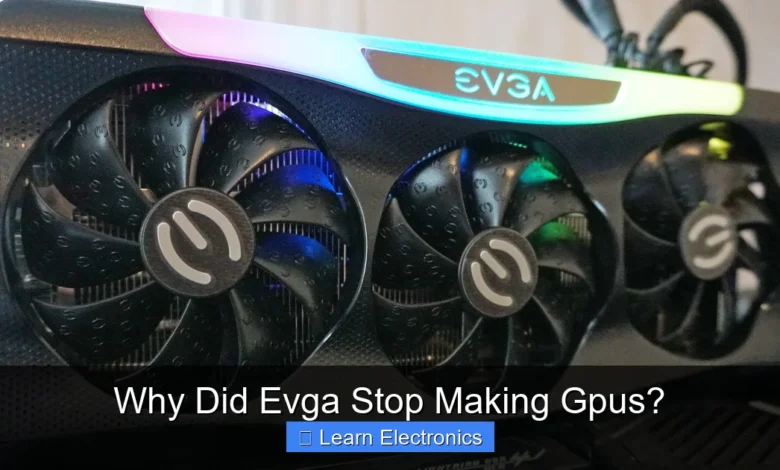
Why Did EVGA Stop Making GPUs? The decision stemmed primarily from a significant deterioration in its relationship with NVIDIA, largely due to concerns over profitability margins, NVIDIA’s perceived control over pricing, and a lack of transparency regarding chip allocations and future pricing. This ultimately led EVGA to conclude that the GPU market, under these conditions, was no longer a sustainable or mutually beneficial venture for their business model.
This strategic shift marked a pivotal moment for both EVGA and the broader PC hardware community, signaling deep-seated issues within the GPU ecosystem for add-in-board (AIB) partners. The company’s exit highlighted the immense pressures faced by manufacturers reliant on a single dominant chip supplier.
Quick Answers to Common Questions
What was the primary reason EVGA stopped making GPUs?
EVGA famously ceased production of their graphics cards due to growing concerns over their relationship with NVIDIA, specifically around pricing, marketing, and communication. They felt the partnership was no longer sustainable or profitable under the existing terms.
Does EVGA stopping GPU production mean they’re leaving the PC hardware market?
Not at all! While EVGA did stop making GPUs, they remain a strong player in the PC hardware market. They continue to produce excellent power supplies, motherboards, and other peripherals, so you’ll still see the EVGA brand around.
Could EVGA ever return to making graphics cards in the future?
While never say never, it’s highly unlikely EVGA will return to making graphics cards, especially with NVIDIA, anytime soon. Their decision to stop making GPUs was a significant strategic move based on long-term concerns, not a temporary pause.
📑 Table of Contents
The Strained Relationship with NVIDIA
The core of EVGA’s departure from the GPU market was its increasingly difficult relationship with NVIDIA. For decades, EVGA was one of NVIDIA’s most prominent and loyal partners, known for its high-quality products and excellent customer service. However, underlying tensions grew significantly over several years, culminating in their announcement to cease manufacturing graphics cards.
Margin Erosion and Lack of Transparency
One of the primary grievances cited by EVGA was the shrinking profit margins on NVIDIA’s GPUs. As the graphics card market matured and competition intensified, NVIDIA allegedly began selling its Founders Edition cards at prices that often undercut its AIB partners, including EVGA. This practice made it incredibly challenging for partners to differentiate their products, add value, and still maintain a healthy profit margin after accounting for manufacturing, R&D, marketing, and customer support costs. Additionally, EVGA reportedly faced a lack of transparency from NVIDIA regarding future product pricing and allocation, making long-term business planning difficult and risky. This method of operation put immense pressure on EVGA’s financial viability in the GPU sector.
Resale Pricing and Market Control
Further exacerbating the relationship was NVIDIA’s perceived heavy-handed control over resale pricing and market dynamics. NVIDIA’s growing influence meant AIBs had less autonomy in setting their pricing strategies. In many cases, partners felt compelled to align with NVIDIA’s pricing, even if it meant sacrificing their own profitability. This practice effectively turned partners into mere assemblers and distributors rather than true collaborators, diminishing their ability to innovate and compete effectively on their own terms. The lack of control over their own destiny in such a crucial product category became a significant deterrent for EVGA.
Why Did EVGA Stop Making GPUs? Understanding the Profitability Decline
Beyond the direct relationship with NVIDIA, the overall economics of the GPU market presented formidable challenges that contributed to EVGA’s decision. The high costs associated with GPU manufacturing, coupled with intense market volatility, made sustained profitability increasingly difficult.
Increasing Costs and Fierce Competition
Manufacturing graphics cards is an inherently expensive process, involving complex PCB designs, advanced cooling solutions, high-speed memory, and rigorous testing. These costs, combined with the need to invest heavily in research and development to keep pace with rapid technological advancements, put a substantial financial strain on AIB partners. The market was also incredibly competitive, with numerous established brands vying for market share. This fierce competition often led to price wars, further eroding the already slim profit margins for companies like EVGA.
Inventory Challenges and Price Volatility
The GPU market has always been susceptible to significant price fluctuations and inventory challenges. Periods of high demand, such as during cryptocurrency mining booms, would lead to supply shortages and inflated prices, followed by busts that left manufacturers and retailers with overstocked inventory and plummeting prices. Managing these cycles effectively requires exceptional forecasting and risk management, which became increasingly difficult amidst global supply chain disruptions and unpredictable consumer demand. This process of navigating boom-and-bust cycles imposed considerable financial risk and uncertainty on EVGA’s GPU operations.
EVGA’s Strategic Pivot and Other Product Lines
While the GPU market became unsustainable for EVGA, the company remains a significant player in other PC hardware segments. Their decision to exit GPUs allowed for a strategic reallocation of resources to areas where they could maintain profitability and exert greater control over their product development and pricing.
Sustaining CPU Coolers, PSUs, and Motherboards
EVGA has a strong and well-regarded presence in other component categories, including power supply units (PSUs), CPU coolers, and motherboards. These product lines often operate with different supply chain dynamics, less dependence on a single dominant chip supplier (except for Intel/AMD in motherboards, but the AIB relationship is different), and potentially more stable profit margins. By refocusing on these areas, EVGA could leverage its brand reputation for quality and customer service more effectively, without the constant pressures experienced in the GPU segment. This approach allowed them to strengthen their position in these alternative markets.
Strategic Reallocation of Resources
The resources previously dedicated to GPU research, development, manufacturing, and marketing could now be reallocated. This includes financial capital, engineering talent, and operational capacity. This strategic move enables EVGA to innovate more freely, improve existing product lines, and explore new opportunities within the broader PC hardware ecosystem. It represents a long-term strategy to ensure the company’s stability and growth in more favorable market conditions, rather than continuing a struggle in a sector that was no longer viable for them.
The Intricacies of the GPU Business Model
Understanding the fundamental challenges of the GPU business model from an AIB perspective helps clarify why EVGA made its difficult choice. It wasn’t just about one specific issue but a culmination of systemic problems.
The Burden of Customer Support and Warranty
EVGA was renowned for its exceptional customer service and warranty policies. While this built strong brand loyalty, it also represented a significant operational cost. When a company sells hundreds of thousands of complex electronics, a certain percentage will inevitably require support or warranty claims. In a business with razor-thin margins, these costs become disproportionately burdensome. A high-quality customer experience is expensive to maintain, and if the product itself isn’t generating sufficient profit, it becomes an untenable position for any manufacturer.
Unpacking the Reasons Why EVGA Stopped Making GPUs
The cumulative effect of reduced margins, perceived unfair competition from the chip supplier, lack of transparency, high operational costs, and the inherent volatility of the GPU market painted a clear picture for EVGA. They determined that continuing in this segment meant operating at minimal, if any, profit, while bearing significant risk and facing increasingly difficult conditions. This approach highlighted a fundamental misalignment between the AIB partners’ needs and the chip supplier’s strategy, leading to an eventual breakdown of the partnership. It was a business decision made to protect the company’s long-term health and sustainability.
Market Reactions and Long-Term Implications
EVGA’s exit sent shockwaves through the PC enthusiast community and the broader industry. It sparked debates about NVIDIA’s business practices and the future of the AIB model.
The initial reaction from consumers was largely one of disappointment, as EVGA was a beloved brand known for its quality and customer support. However, many also understood the business rationale behind the decision, recognizing the challenging environment for AIB partners. For NVIDIA, the departure of such a prominent partner undoubtedly raised questions about its relationship with remaining AIBs and potential impacts on market competition.
Timeline of Key Events Leading to EVGA’s GPU Exit
| Year | Event/Observation | Significance |
|---|---|---|
| 2010s (Early) | EVGA establishes strong brand as premium NVIDIA AIB. | Built reputation for quality and service. |
| 2018-2020 | Increasing concerns over NVIDIA’s Founders Edition pricing strategies. | AIBs feel undercut by NVIDIA’s direct sales. |
| 2020-2022 | GPU market volatility due to crypto boom and bust, supply chain issues. | Extreme inventory and pricing challenges for AIBs. |
| Early 2022 | EVGA internal discussions intensify regarding GPU segment viability. | Final analysis of profitability and relationship challenges. |
| September 2022 | EVGA officially announces cessation of GPU manufacturing. | Public confirmation of departure from the market. |
| 2023 Onwards | EVGA focuses on PSUs, motherboards, coolers, with existing GPU inventory sold off. | Strategic pivot and consolidation. |
The long-term implications include a less competitive market for NVIDIA GPUs, potentially limiting consumer choice and innovation from AIBs. It also serves as a stark warning to other AIB partners about the perils of over-reliance on a single supplier and the importance of diversification and strong negotiating positions.
Conclusion
EVGA’s decision to stop making GPUs was a complex, multi-faceted one, rooted deeply in an increasingly untenable business relationship with NVIDIA and the challenging economics of the GPU market. Shrinking profit margins, NVIDIA’s perceived control over pricing and allocation, and the high costs associated with manufacturing and supporting graphics cards ultimately made the GPU segment unsustainable for EVGA. By exiting this highly competitive and often unprofitable sector, EVGA aims to reallocate its resources and focus on product lines where it can maintain stronger control over its business and ensure long-term profitability. This move serves as a significant case study in the dynamics of supplier-partner relationships within the electronics industry, highlighting the delicate balance required for mutual success.
Frequently Asked Questions
Why did EVGA stop making GPUs?
EVGA ceased GPU production primarily due to a deteriorating relationship and significant business disagreements with Nvidia, their long-standing partner. They cited concerns over Nvidia’s treatment of add-in-board (AIB) partners, including opaque pricing policies and direct competition with their own Founders Edition cards, which made the GPU business unsustainable.
What specific issues led to EVGA’s exit from the graphics card market?
Key issues included a lack of transparency from Nvidia regarding product pricing and launch details, often learning about MSRPs at the same time as the public. Furthermore, Nvidia’s direct competition with partners through their Founders Edition cards significantly impacted EVGA’s profit margins and overall business strategy within the GPU segment.
When did EVGA announce its decision to stop producing graphics cards?
EVGA officially announced their decision to discontinue manufacturing graphics cards in September 2022. While they stopped future production, the company committed to selling through their existing stock and continues to provide full warranty support for all previously sold EVGA GPUs.
Is there any chance EVGA will return to making GPUs in the future?
It is highly unlikely that EVGA will re-enter the GPU market. Company representatives have been very clear about the irreparable breakdown in their relationship with Nvidia and have explicitly stated no plans to partner with AMD or Intel for graphics card production either. Their focus has shifted to other product lines like power supplies and motherboards.
As an Amazon Associate, I earn commission from qualifying purchases.