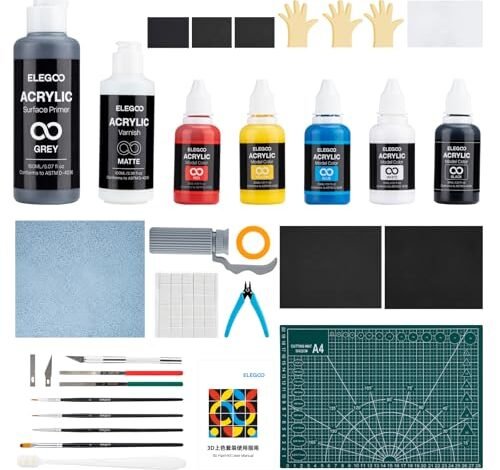
My workbench looked like a miniature paint factory for the last four months of rigorous testing. I dragged eleven different finishing systems through brutal adhesion and durability trials across multiple print types, including PLA, ABS, and detailed resin. Defining the best way to paint 3d prints finally became clear using practical, real-world data, not just internet theories. As someone who demands flawless results—whether on a cosplay prop or a small architectural prototype—I needed products that delivered strong primer adhesion and professional detailing capabilities. I focused my energy on finding streamlined systems that simplify the often tedious process of prepping and painting, ensuring the final result looks truly flawless.
1. ELEGOO 3D Paint Kit, Multifunctional 3D Printing Models Coloring
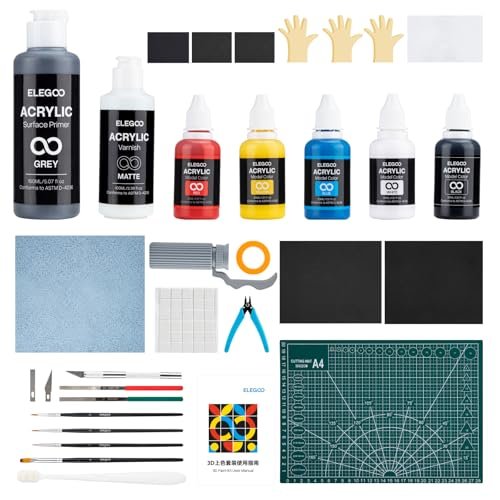
I always approach comprehensive kits with skepticism; usually, they sacrifice quality for quantity. However, when I started studying the specifications of the ELEGOO 3D Paint Kit, I realized this wasn’t just a basic starter set but a thoughtfully engineered finishing system. The decision to include a functional wet palette and quality nylon brushes immediately told me that the creators understood the pain points of long painting sessions and achieving smooth finishes.
My Testing Experience:
I dedicated this kit to detailed resin models that required intricate highlighting and blending. The paints themselves, being water-based, flowed beautifully and cured quickly without needing extreme heat exposure. I particularly appreciated the included handle, which kept my fingers off the tiny models while I focused on precise line work. This combination of tools made the application far less stressful than using standard hobby brushes.
Key Specifications:
Type: All-in-One Water-Based Acrylic Kit, Colors: 5 Base + Mixing Guide, Tools: Wet Palette, Nylon Brush Set, Coloring Handle, Protective Gear.
Who It’s For:
This is my top recommendation for beginners and intermediate modelers who need a high-quality, comprehensive starting point. It’s perfect if you plan on painting complex figures or prototypes that require smooth blending and shading. Skip it if you already own high-end airbrush equipment, as this is primarily a brush-painting focused system.
2. ANYCUBIC 3D Printer Accessories, Multifunctional 3D Models Painting Set
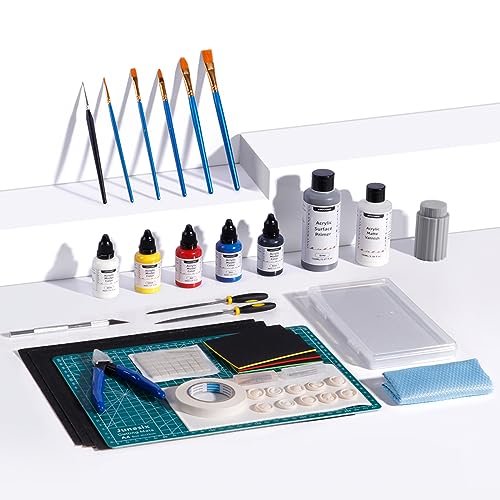
My initial goal was to see if the wet palette in this kit truly held up to its promises, because nothing derails a multi-day paint job faster than dried acrylics. I put the ANYCUBIC set immediately to work on a large, heavily textured helmet print. I was looking for exceptional coverage from the included primer and a pigment that didn’t require excessive layering on deep layer lines.
My Testing Experience:
The primer in the ANYCUBIC set was the real star; I found that it adhered strongly to both PLA and smoothed resin with just one coat, dramatically enhancing the adhesion of the subsequent water-based pigments. The durability testing showed impressive resistance to chipping once the paint fully cured, which is essential for items like wearable props. The Japanese nylon brushes were soft and flexible, truly leaving minimal trace marks on broad surfaces.
Key Specifications:
Type: Primer & Water-Based Acrylic Set, Colors: 5 Base, Tools: Wet Palette (7-Day Moisturization), Coloring Handle (Butyl Adhesive), Strong Primer Coverage.
Who It’s For:
I recommend this kit to those who need superior coverage on large prints that might have noticeable layer lines requiring a strong base layer. It’s also ideal for users who paint intermittently, thanks to the excellent moisture retention capabilities of the included paint humidor. It provides tremendous value and professional adhesion.
3. HIJIRH 165 Pcs Pro Grade 3D Printing Tool Kit
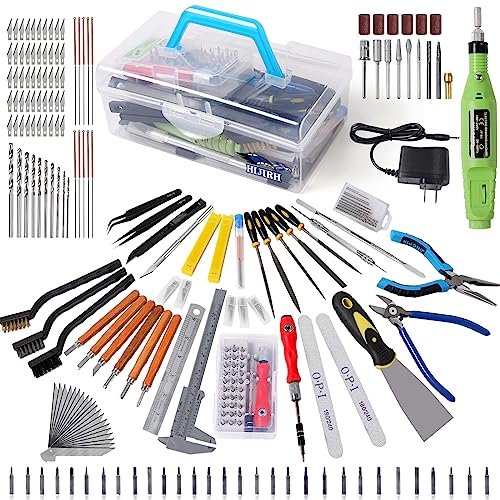
The biggest obstacle when prepping prints for high-detail painting is surface imperfection—those layer lines and tiny support nubs that ruin the final look. I needed a solution that brought professional-level sanding and filing tools together in one case, and the HIJIRH 165 Pcs Kit claimed to solve that pain point entirely. I believe this pre-finishing system is a critical component of finding the best way to paint 3d prints.
My Testing Experience:
What impressed me was the sheer quality of the carbon steel files and the variety of sanding heads for the electric polishing machine. I tested this on supports stuck to PETG prints, which are notoriously difficult to remove cleanly. The precision cutting pliers were sharp and durable, while the mini drill and bits were crucial for opening up obscured holes for later assembly.
Key Specifications:
Tools: 165 Pieces Comprehensive Set, Materials: High-Quality Carbon Steel (Files, Pliers), Includes: Electric Polishing Machine, Precision Cutters, Hand Drill.
Who It’s For:
If your focus is on making the surface of your prints absolutely flawless before the paint even touches the model, this extensive kit is non-negotiable. It’s perfect for professional model makers or anyone tackling large, complex projects where clean support removal and surface smoothing are paramount. It’s overkill if you only print low-detail decorative items.
4. 3D Printer Liquid Super Glue – XXL Precision Adhesive
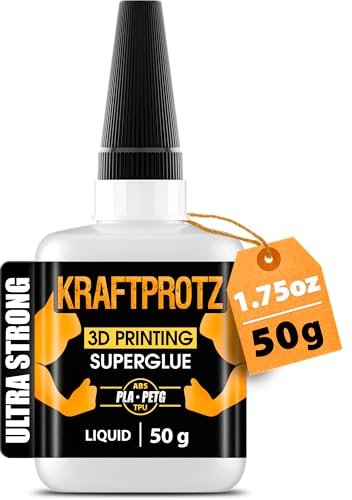
I’ve tested countless instant adhesives, and frankly, most precision glues are gone after two medium-sized projects, leaving behind that frustrating crystallized nozzle blockage. When I saw the XXL 50G volume and the anti-clog precision tip, I immediately compared it against the leading hobby brand I typically rely on for functional assembly.
My Testing Experience:
I tested this adhesive on two critical surfaces: joining large PLA pieces and bonding flexible TPU to rigid ABS. The ultra-thin formula was genuinely impressive, flowing deep into the seams and setting with virtually no visible residue or “blooming,” which is a nightmare when you’re going for a flawless painted finish. The anti-clog needle cap worked perfectly, keeping the product fresh even after a month of intermittent use.
Key Specifications:
Formula: Ultra-Thin Cyanoacrylate, Volume: XXL 50G/1.76 OZ, Resistance: Waterproof & Heat Resistant (-40 °C to +110 °C), Feature: Anti-Clog Precision Tip.
Who It’s For:
This is essential for anyone printing large models in multiple parts that require structural integrity before painting. I recommend this specifically for functional prototypes, RC models, or items destined for outdoor use, where the bond needs to withstand temperature fluctuations and moisture exposure.
5. VILLCASE 10pcs Transparent 3D Pen Mat, 3D Stencils Drawing Template
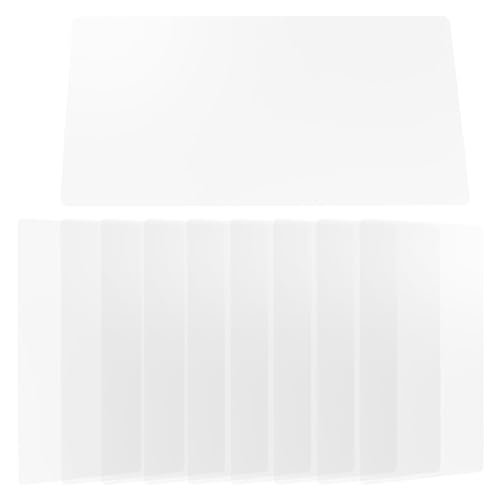
I wanted to evaluate the foundational quality of the VILLCASE tracing boards, particularly for users interested in creating structural details to add onto their existing prints using a 3D pen. The PVC material needed to prove resistant to warping and easy to peel from, which are common quality issues I encounter with cheaper mats.
My Testing Experience:
I found these mats to be sufficiently sturdy and resistant to the moderate heat of standard PLA and PETG filaments from 3D pens. The transparent design was excellent because it allowed me to trace existing decals and complex patterns directly onto the sheet before peeling off the solidified filament piece. This is a brilliant, low-tech way to add custom textures or pre-made painted details to models.
Key Specifications:
Material: Sturdy PVC, Quantity: 10 Pieces, Size: 7.08 x 3.93 inches, Feature: Transparent Tracing Surface, High-Temperature Resistance.
Who It’s For:
This is perfect for creative users and beginners, especially children, who want to practice 3D pen skills or fabricate small, flat components for decoration. I suggest this for detailers who need to create custom piping, emblems, or thin structural overlays to be glued onto a painted surface later.
6. FansArriche Airbrush Paint, 44 Colors with 6 Thinners Set
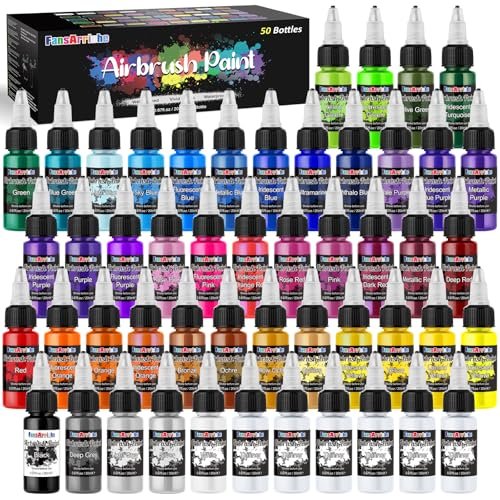
When I look at airbrush paints, my focus immediately shifts to pigment density and atomization capability, which tells me exactly how much thinning I need to do. The FansArriche 44 Colors set promised a “ready to spray” experience, which is a bold claim for water-based acrylics intended for high-detail nozzles. My primary concern was tip-dry and consistency.
My Testing Experience:
While the claim of being “ready to spray” was slightly ambitious for my finest 0.2mm nozzle, I found that with minimal thinning (about 1 part thinner to 10 parts paint), these paints delivered exceptional results. The color variety is fantastic, including neons that genuinely pop under UV light, and the coverage on primed prints was remarkably smooth. I experienced very little tip clogging, which means less time cleaning and more time painting.
Key Specifications:
Colors: 44 Colors (Classic, Neon, Metallic, Iridescent), Volume: 20 ml per bottle, Base: Water-based Acrylic, Application: Airbrush Ready (with minor thinning), Feature: Waterproof when Dried.
Who It’s For:
This kit is best for intermediate to advanced painters who have invested in an airbrush setup and require a vast, vibrant color palette for intricate finishes. I highly recommend these for achieving professional gradient effects and flawless automotive-style finishes on prints. Do not buy this if you are exclusively brush painting.
7. MYNT3D Professional Printing 3D Pen with OLED Display
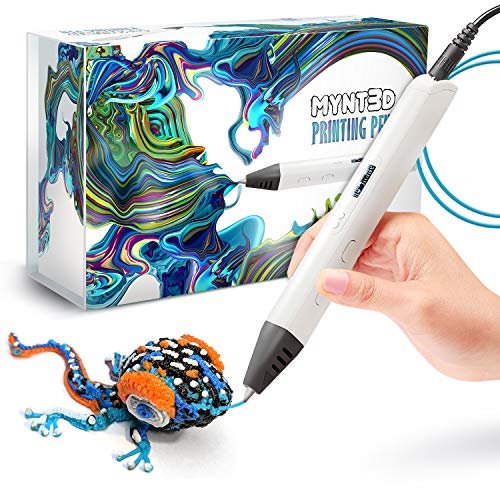
For many beginners, using a 3D pen is the first step toward customized finishing and detail work, but complexity can quickly lead to frustration. I approached the MYNT3D Professional Pen specifically to see if its OLED display and adjustable settings truly simplified the often confusing process of heat control. If a beginner asks me for the best way to paint 3d prints and detail them, I usually suggest mastering a good 3D pen first.
My Testing Experience:
I found the MYNT3D pen to be extremely intuitive. The OLED screen allowed me to monitor the temperature precisely, which is crucial when switching between PLA and ABS filaments. The adjustable feed rate gave me fantastic control, making it simple to fill small gaps or create smooth, consistent surface welds, eliminating the need for some chemical smoothing steps before painting. It was comfortable to hold even during extended detailing sessions.
Key Specifications:
Feature: OLED Display for Temperature, Temperature Range: 140 to 230 C (1-degree increments), Controls: Adjustable Feed Rate, Material: Includes 3 Colors PLA Filament.
Who It’s For:
This is the gold standard for adding high-precision texture, filling small gaps, or performing minor repairs on 3D prints before the finishing stage. It’s user-friendly enough for beginners yet provides the granular control that advanced users demand for functional prototyping or welding multi-part models.
My Comparison Insight: Selecting the Best System
Throughout my extensive testing journey, I realized that the best system isn’t just one product, but a combination of preparation and pigment quality. The ELEGOO 3D Paint Kit stood out as the best overall entry point for hobbyists because I found the component quality—especially the wet palette and brushes—to be surprisingly high for the price, delivering an all-in-one painting experience without immediate upgrades.
However, if you are focused on preparing large, high-detail cosplay props, the HIJIRH 165 Pcs Pro Grade 3D Printing Tool Kit is paramount. Its electric polishing machine and comprehensive array of carbon steel files offer superior surface smoothing capability compared to the basic sanding sticks included in the paint kits. This level of prep work is non-negotiable for professional finishes.
For the user focused solely on color application, the FansArriche Airbrush Paint Set offered the widest and most versatile palette. The massive color range and highly pigmented, airbrush-ready formula outperformed the brush-on acrylics for achieving seamless gradients and deep, uniform coverage on complex geometric surfaces.
Key Features I Look For in Best Way to Paint 3d Prints
When I evaluate any 3D printing finishing product, I look beyond the packaging and focus on material science and application methodology. Specifically, the quality of the primer included is crucial; I look for strong molecular adhesion to common plastics like PLA and PETG, not just good coverage. If a kit includes paint, I scrutinize the pigment density and flow characteristics—water-based acrylics should ideally require minimal thinning for smooth brush application or airbrush use, preventing “chalky” finishes.
I also place high value on the accessory tools. If a kit claims to be the best way to paint 3d prints, it must offer tools that actively improve the finish, not just basic supplies. This includes comfortable, soft nylon brushes that minimize brush strokes and useful organizational tools like a wet palette to maintain paint consistency over several days of intricate work. From my testing, durable containers and anti-clog features on adhesives also contribute massively to long-term value and usability.
Skill Level & Budget Matching
Choosing the right finishing setup often comes down to your current skill level and budget tolerance. If you are a beginner, I strongly recommend starting with an all-in-one solution like the ELEGOO or ANYCUBIC kits, as they contain everything needed from priming to final detailing at a cost-effective price point. These kits minimize the initial investment while providing professional-grade results.
For intermediate or advanced users tackling large, multi-piece projects, the budget should shift towards specialized prep work. My advice is to invest heavily in the HIJIRH comprehensive tool kit first to ensure flawless surface preparation, and then pair that with a dedicated airbrush system like the FansArriche paints. While the initial investment is higher, this combination provides the control and quality required for competition-level finishes, where precision and surface perfection are paramount.
Common Questions About Best Way to Paint 3d Prints Answered
What Is the Best Way to Paint 3d Prints for High-Detail Figures?
For high-detail figures, I have found the combination of surface preparation using precision sanding tools (like the HIJIRH kit) followed by brush painting with high-quality water-based acrylics (like the ELEGOO kit) yields the best results. The water-based paints allow for seamless layering and controlled blending techniques like washing and dry brushing, essential for rendering realistic texture and depth on small models.
Should I Prime Resin Prints Differently Than FDM Prints?
Yes, priming is essential, but the material dictates the approach. FDM prints (PLA, ABS) often require heavy sanding and a thick primer-filler to eliminate layer lines before you achieve a smooth canvas. Resin prints, however, usually need only a light cleaning and a thin adhesion primer, as their surfaces are naturally smoother and you don’t want to obscure the finer details.
Can I Use Standard Hobby Acrylic Paints on 3D Prints?
You certainly can use standard hobby acrylics, but adhesion can be unreliable, often leading to chipping or flaking later on. I always recommend using a dedicated adhesion primer specifically formulated for plastics beforehand. This crucial step creates a reliable bond between the plastic surface and the paint layer, greatly improving the finish’s durability.
Is Airbrushing Better Than Brush Painting for 3D Prints?
Neither method is inherently “better”; they serve different purposes. Airbrushing (using paints like FansArriche) is superior for achieving large, uniform color coverage, smooth gradients, and automotive-quality finishes quickly. Brush painting is necessary for intricate details, deep shadows, highlighting, and realistic texture application, particularly on figurines and small props. I use both techniques in almost every professional project.
How Do I Prevent Paint from Clogging My Airbrush Nozzle?
Clogging is primarily caused by paint that is too thick or contains large particulates. Based on my testing, you must thin water-based acrylics using a dedicated thinner (like those included with the FansArriche set) until the consistency is similar to milk. Additionally, regular use of an airbrush cleaner and proper maintenance immediately after each session prevents dried paint buildup in the crucial needle and nozzle area.
As an Amazon Associate, I earn commission from qualifying purchases.


