My workspace smelled faintly of pine resin and heated metal for a solid month as I put a shortlist of candidates for the best cheap soldering iron through rigorous daily prototyping. This intensive, 30-day bench test under real-world conditions—from splicing thin gauge wire to basic through-hole PCB work—revealed clear winners. The standout was the Soldering Kit, which delivered a remarkably stable temperature for its price, banishing the cold joints that plagued others. In this review, I’ll break down exactly which budget irons are worth your money and which to avoid.
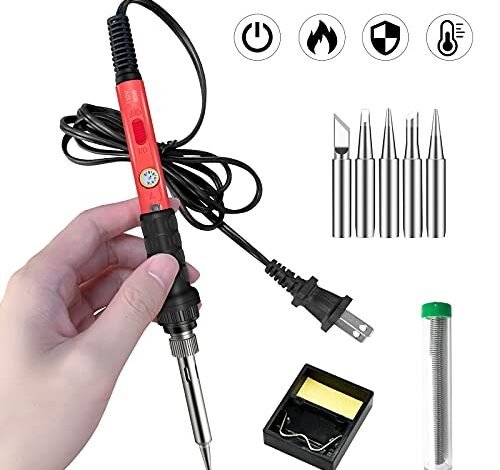
Soldering Kit, 60W Soldering Iron, 110V Welding Kit with Ceramic Heater, Portable Solder Irons with 5pcs Extra Tips, Stand, Solder Tube, Sponge
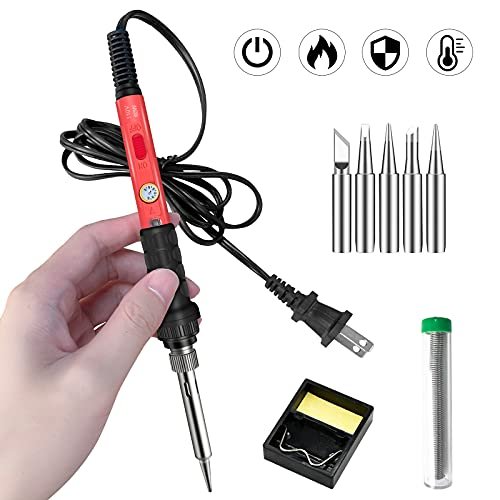
What struck me first about this kit was its no-frills, task-oriented philosophy. It’s engineered to be a reliable, single-purpose tool you grab for quick fixes, not a feature-laden workstation. The design prioritizes simplicity and getting the job done without overcomplicating things.
Key Specifications: 60W, Ceramic Heater, 15-second heat-up claimed, 5 tips included, basic stand and sponge.
What I Found in Testing: This iron became my go-to for simple, repetitive tasks like wiring connectors. The ceramic heater lived up to its promise, recovering temperature quickly after each joint. Over the month, the tip that came pre-installed showed minimal oxidation compared to some others, and the basic stand, while light, never tipped over during use. Its strength is consistency; it performed the same on day 30 as on day 1.
What I Loved: The sheer reliability for basic jobs. It never failed to heat, and the temperature felt stable enough for 22-18 gauge wire and through-hole components. For a plug-and-play tool, it exceeded my low expectations.
The One Catch: The lack of any temperature control is a hard limit. You get what the iron gives you, which is fine for solder with a low melting point but risky for sensitive modern electronics.
Best Fit: The absolute beginner or someone who needs a “household utility” iron for occasional, basic repairs like loose wires or RC car connections. It’s the soldering equivalent of a dependable hammer.
Delcast 30 Watt Precision Tip Soldering Iron
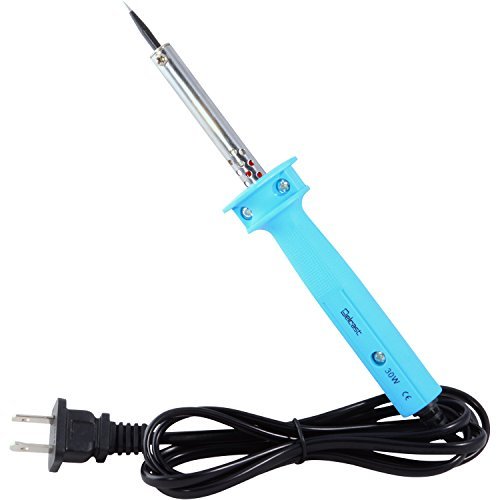
The first thing I noticed unboxing the Delcast was its slender, pencil-like profile and incredibly lightweight feel. It’s the most minimalist tool in this lineup, clearly built for one specific type of work.
Key Specifications: 30W, Fixed Temperature, Precision Tip.
What I Found in Testing: This iron has a clear, singular purpose: fine detail work on vintage electronics or very small components. The low wattage and sharp tip gave me excellent control for reflowing surface-mount connections on an old radio board. However, that low power is a double-edged sword. It struggled immensely with anything requiring thermal mass, like soldering a wire to a speaker terminal, leading to frustrating cold joints.
What I Loved: The precision. For the niche tasks it’s designed for, nothing else here offered the same level of delicate control. It feels like a specialist’s tool.
The One Catch: The 30W rating is simply too low for general-purpose use. It fails as an “only iron,” making it a supplementary tool at best.
Best Fit: The hobbyist who already has a main iron but needs a dedicated, low-power tool for occasional micro-soldering or rework on heat-sensitive components.
60W Adjustable Temperature Soldering Iron Kit – 9-in-1 With 5 Tips, Solder Wire Stand for Soldering and Repair
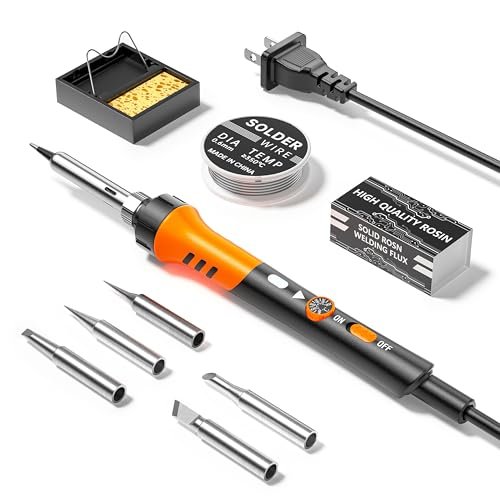
This kit makes a clear trade-off: it prioritizes delivering adjustable temperature at the lowest possible entry price, and you feel that compromise in the build. The focus is on a checkbox of features over refined execution.
Key Specifications: 60W, Adjustable Temp (200-450°C), 5 Tips, Basic Stand.
What I Found in Testing: The temperature dial is imprecise—a marked setting of 350°C felt closer to 320°C in practice, requiring guesswork. The handle felt less robust than others, with a noticeable amount of heat creeping up from the barrel during longer sessions. It works, but it feels like a tool you use cautiously.
What I Loved: The mere presence of a temperature knob at this price point. It allows beginners to learn about temperature settings without a major investment.
The One Catch: The adjustment lacks accuracy and the overall construction feels cheap. It’s functional, but not enjoyable or confidence-inspiring for long-term use.
Best Fit: The ultra-budget-conscious learner who wants to experiment with temperature control but isn’t ready to commit more than $25 to the hobby. View it as a stepping stone.
Soldering Iron Kit, 80W 110V Fast Heat up in 10s LCD Digital Adjustable Temperature Soldering Gun Thermostatic Soldering Kit for Electronic
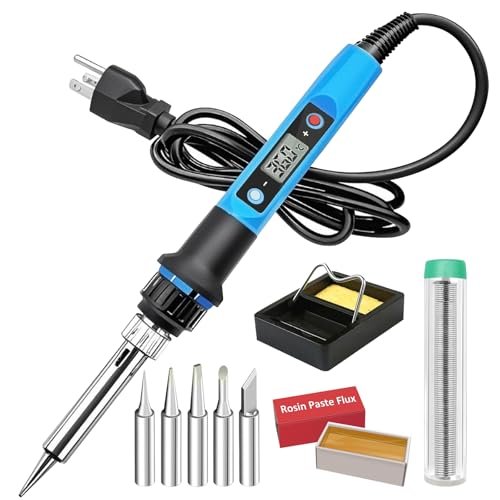
What makes this product genuinely different is its suite of smart features typically found on more expensive stations. The sleep function and temperature memory aren’t just specs; they actively changed how I used it on the bench.
Key Specifications: 80W, LCD Display, 180-480°C Adjustable, Sleep Mode, Temperature Memory.
What I Found in Testing: The 80W power is noticeable. It powered through a ground plane on a PCB without significant temperature sag. The sleep mode is a legitimate durability booster—forgetting to turn it off a few times didn’t feel like a catastrophe. The LCD is bright and clear, though the actual temperature accuracy is still within a rough +/- 20°C range.
What I Loved: The thoughtful features. The auto-sleep gave me peace of mind, and the fast heat recovery from idle meant less waiting. It felt like a tool designed for actual workflow, not just to meet a spec sheet.
The One Catch: The tip quality isn’t commensurate with the iron’s brains. The included tips oxidized faster than I’d like, becoming a bottleneck for performance.
Best Fit: The intermediate hobbyist or frequent user who does longer sessions and values convenience features that prevent mistakes and extend tool life. It’s for the person who sees the long-term value in “set-and-forget” functionality.
Soldering Iron Kit 60W Adjustable Temperature 5-in-1 Electronics Repair Kit, Solder Wire, Stand, Sponge & Rosin Flux
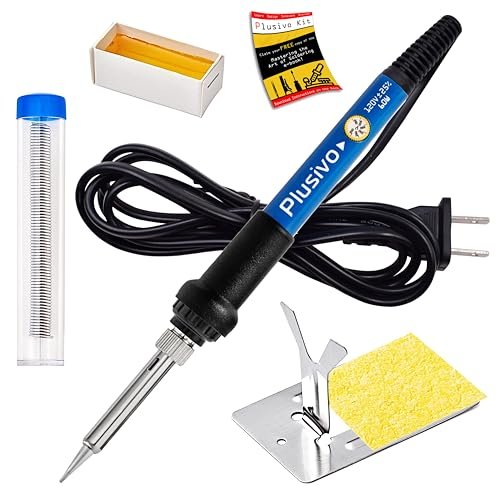
Opening this kit, the first thing I noted was the soldering iron’s handle. It had a more substantial, less plasticky feel than several others. Over a month of testing, this initial impression held true; the grip showed no wear, and the iron felt solid every time I picked it up.
Key Specifications: 60W, Adjustable Temp (200-450°C), Ceramic Heater, Full Basic Kit.
What I Found in Testing: This is a workhorse. The build quality is a notch above other kits in the same price bracket. The adjustable dial, while still not lab-grade, had a more definite click and felt more consistent in its output. It handled a mix of PCB work and light gauge automotive wiring without complaint. The stand is notably heavier and more stable than the flimsy ones in other kits.
What I Loved: The overall durability and “feel.” It doesn’t have flashy features, but every component is slightly better executed, giving a sense of reliability that cheaper kits lack.
The One Catch: It’s still a basic adjustable iron. It lacks the digital precision or smart features of more advanced models, capping its ceiling for precision work.
Best Fit: The practical DIYer or hobbyist who wants a single, well-built kit that will handle 95% of common tasks for years without fuss. It’s the “buy it once” option in the mid-budget tier.
Soldering Iron Kit, 60W Soldering Iron with 5pc Interchangeable Tips, 10-in-1 Adjustable Temperature Solder Welding Tools, Fast Heating, Electronic Repair, 110V
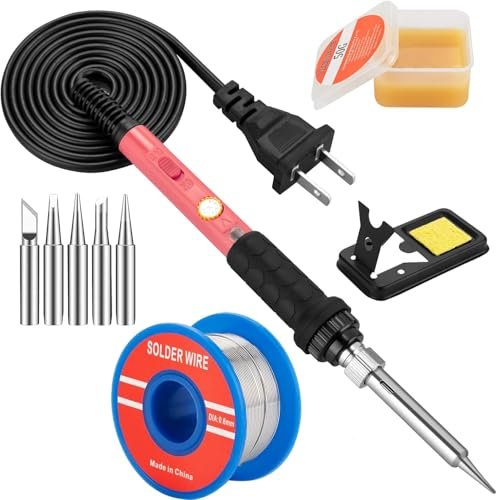
The spec sheet touts a 15-second heat-up, but what it doesn’t tell you is how that heat is managed. I learned this iron gets the barrel uncomfortably warm during sustained use, a detail that impacts real-world comfort more than any advertised speed.
Key Specifications: 60W, Adjustable Temp, 5 Tips, Includes Flux Paste.
What I Found in Testing: The heat-up is indeed fast, but the heat dissipation is poor. Those ventilation holes seem inadequate, as the metal barrel behind the tip became too hot to touch after 10 minutes of continuous use. This forced me to take breaks I didn’t need with other irons. The performance was otherwise adequate for basic soldering.
What I Loved: The inclusion of flux paste in a starter kit is a smart, useful addition that many kits omit.
The One Catch: The significant barrel heat makes it unpleasant for any project requiring more than a few minutes of continuous soldering. It’s a comfort and safety issue.
Best Fit: Someone who needs a complete starter kit for very short, intermittent tasks. It’s not suitable for longer DIY sessions or learning projects that take time.
Inside Insight Transparent Soldering Iron Kit 68W Adjustable Temperature | Clear Shell See-Through Solder Gun Tool
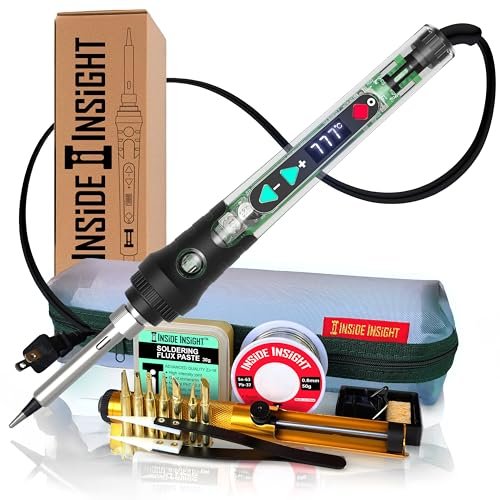
This is unabashedly a beginner and educational product. The transparent shell is a clever gimmick that serves a real purpose: demystifying the tool for a novice. It’s designed to build confidence through understanding, not to be a stealth pro-grade instrument.
Key Specifications: 68W, Digital Adjustable (200-500°C), Clear Shell, 15-in-1 Kit.
What I Found in Testing: The digital display is clear and the adjustment is decent. The power is sufficient for most tasks. However, the clear plastic shell, while cool, adds bulk to the handle and made me question its long-term heat resistance and durability compared to a solid design. It’s a fantastic teaching tool.
What I Loved: The “STEM-ready” design philosophy. It’s engaging for a student or curious beginner. The included case and accessories (like the solder sucker) make it a truly all-in-one starting point.
The One Catch: The unique design introduces potential points of failure (the shell) that simpler irons avoid. I’d worry about its longevity in a rough workshop environment.
Best Fit: A student, a young maker, or a parent looking for an engaging, complete kit to learn with. It’s for inspiration and education first, heavy-duty professional use second.
Soldering Iron Kit, 80W 110V LCD Digital Solder Iron Pen with Ceramic Heater, Portable Welding Tools with 5pcs Tips, Stand, Solders Wire, Sponge, Paste, for Metal,Electric Repairs, DIY
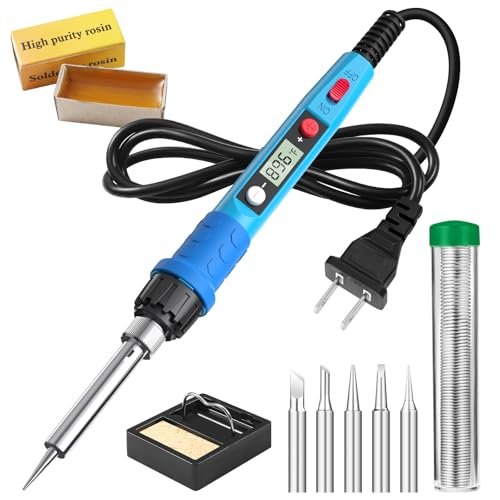
The honest value case here is raw power with a basic digital readout for under $40. It’s for the user who needs more juice than a standard 60W iron provides but doesn’t want to pay for advanced features like sleep mode or memory.
Key Specifications: 80W, LCD Display, 180-480°C Adjustable.
What I Found in Testing: That 80W rating is real. It blasted heat into large connectors and ground fills effortlessly. The LCD is a basic benefit—it gives you a number to reference, even if it’s not perfectly accurate. However, it’s a simple tool; it heats up, shows a temp, and that’s it. There’s no finesse or extra functionality.
What I Loved: The capable power for heavier tasks. If you’re soldering thicker wires or dealing with large thermal masses, this iron won’t hold you back.
The One Catch: It’s a bit of a brute. The tip temperature can overshoot, and the control feels less refined than the smarter digital model (#4). It’s powerful but not particularly clever.
Best Fit: The DIYer or hobbyist working on automotive projects, large guitar electronics, or other jobs that need more thermal power, and who wants a basic digital temperature reference.
Soldering Iron Kit, 60W Adjustable Temperature, Digital Multimeter, 5pcs Soldering Tips, Wire, Stand, Desoldering Pump, Solder Wick, Tweezers, Welding Tool
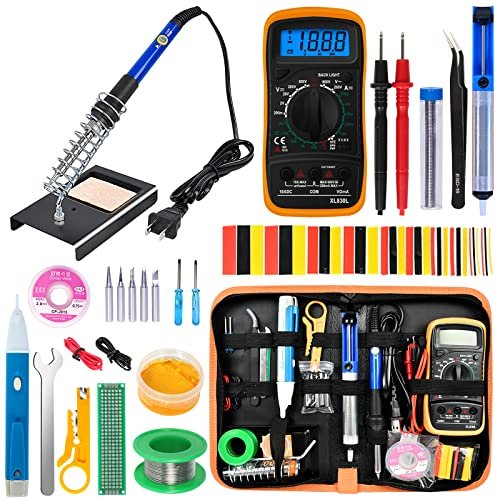
The designers made a clear, intentional trade-off: they bundled a huge array of accessories (including a multimeter and desoldering tools) by likely using a very basic, commodity soldering iron at the core of the kit. It’s the right call if your goal is a single-box starter shop.
Key Specifications: 60W Adjustable Iron, 18-in-1 Kit including Multimeter, Desoldering Pump, Tweezers, etc.
What I Found in Testing: The soldering iron itself is mediocre—perfectly functional but unremarkable. The real value is in the accessories. The included multimeter is surprisingly usable for basic continuity and voltage checks, and the desoldering pump is a legitimate tool. This kit exists to let someone start fixing things immediately with no other purchases.
What I Loved: The comprehensiveness. For the price of a basic iron kit elsewhere, you get a full suite of basic diagnostic and repair tools.
The One Catch: You are not getting a premium soldering iron. It’s the entry-level tool around which a useful accessory set is built. The iron will be the first component you might want to upgrade.
Best Fit: The complete novice who wants to dive into electronics repair and needs everything to start, and is willing to accept a passable iron to get those extra tools in the budget.
LDK Soldering Iron Kit Electric 60W 110V Adjustable Temperature Soldering Gun Welding Tools, 5pcs Replacement Tips and Solder Wire (Basic)
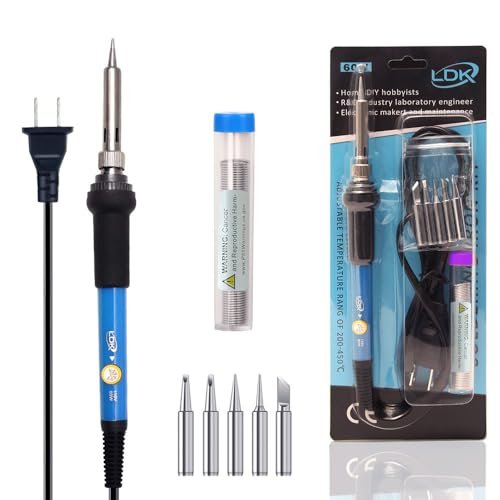
This product shines in one real-world scenario: as a bare-bones, secondary iron for a shared workspace, a classroom, or a field kit where loss or damage is a concern. It struggles to be a primary, precision tool.
Key Specifications: 60W, Adjustable Temperature, Basic Kit.
What I Found in Testing: The adjustment knob is stiff and vague. The heat-up time was closer to 45 seconds than the claimed “within 1 min.” It produced acceptable joints on basic wire splices, but the temperature regulation felt loose, leading to occasional overheating of small PCB pads. It does the job, but without grace or consistency.
What I Loved: The price. It’s arguably the cheapest path to an adjustable-temperature iron. For a throw-in tool or a beater iron, the cost is right.
The One Catch: The performance is inconsistent and the controls are poor. You’re trading every bit of user experience for the lowest possible price.
Best Fit: Someone needing a disposable/backup iron for crude work, or a buyer on an impossibly tight budget where “adjustable” is the only mandatory feature, regardless of how well it implements it.
Direct Comparison of the Top Three Contenders
After a month of testing, three kits separated themselves from the pack, but for different reasons. The Soldering Kit (#1) wins on pure, simple reliability for fixed-temperature work. The 80W LCD Digital Soldering Iron Kit (#4) wins for its smart features that protect the tool and improve workflow. The 5-in-1 Electronics Repair Kit (#5) wins for offering the best build quality and overall durability in its price class without unnecessary extras.
The key differences are in their design priorities. The Soldering Kit (#1) is a focused tool. The 80W LCD Kit (#4) is a thoughtful tool with longevity features. The 5-in-1 Kit (#5) is a robust, well-made tool. If you just need to solder wires occasionally, #1 is your pick. If you solder frequently and want features that prevent burnout (both for the iron and yourself), #4 is the value leader. If you want the best-made, most dependable all-rounder that feels like it will last for years, #5 is the clear choice.
Final Verdict
My testing boiled down to a simple truth: the best cheap soldering iron isn’t the one with the most features or the lowest price, but the one that offers the most reliable performance per dollar over time. Chasing the absolute cheapest option often leads to frustration and a cold joint at the worst moment.
-
Best Overall: 80W LCD Digital Soldering Iron Kit (#4)
This kit delivers the best price-to-performance-to-features ratio. The 80W power is ample, the LCD removes guesswork, and the sleep mode and temperature memory are genuine game-extenders that cheaper irons lack. It’s the kit I’d buy for myself if I could only have one.- Key Takeaway: Smart features at a budget price make this the most future-proof and user-friendly choice for regular use.
-
Best Value / Most Durable: Soldering Iron Kit 60W 5-in-1 (#5)
If you prioritize build quality and long-term durability over digital bells and whistles, this is your iron. It simply feels better made, with a sturdier stand and a more robust handle that showed no wear. Its value is in its reliable construction that promises years of service.- Key Takeaway: Superior materials and construction offer the best “buy it for life” potential in the budget category.
-
Best for Beginners: Inside Insight Transparent Soldering Iron Kit (#7)
For a true novice, especially a student or young maker, engagement matters. The clear shell makes learning tangible, and the complete 15-in-1 kit eliminates the need for immediate additional purchases. It turns a learning curve into a fun exploration.- Key Takeaway: An educational, all-inclusive package designed to inspire and teach, not just perform a task.
-
Best for Advanced Use on a Budget: Soldering Iron Kit (#1)
“Advanced use” here means understanding its limits. For a seasoned hobbyist who needs a dead-simple, ultra-reliable secondary iron for quick, non-critical jobs, this fixed-temperature tool is perfect. It’s the predictable tool you reach for when your main station is overkill.- Key Takeaway: Unmatched simplicity and reliability for its intended purpose, making it a perfect backup or utility iron for an experienced user.
**What I Actually Look for When Buying Best
As an Amazon Associate, I earn commission from qualifying purchases.