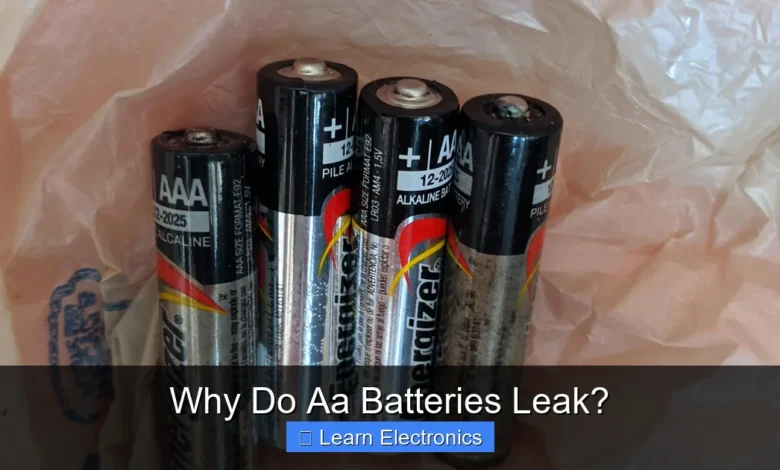
Why Do AA Batteries Leak? AA batteries, specifically the common alkaline type, leak primarily because the chemical reactions inside them produce hydrogen gas, leading to an increase in internal pressure. This pressure eventually causes the cell’s seal to fail, allowing the corrosive potassium hydroxide electrolyte to seep out. This phenomenon is a natural consequence of the battery’s discharge cycle and aging process.
Understanding this issue is crucial for protecting your electronic devices and ensuring safety. The corrosive substance that escapes can damage delicate circuitry and contact points, rendering devices inoperable. Recognizing the underlying causes of this common problem can help in preventing it.
Quick Answers to Common Questions
What’s that crusty white stuff on my old AA batteries?
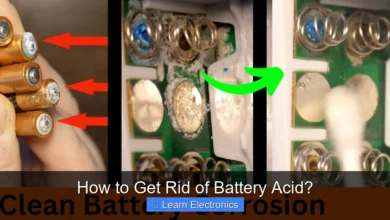
That white, powdery corrosion is potassium carbonate, the electrolyte that leaks out when AA batteries leak. It’s a clear sign the battery’s internal chemicals have escaped.
Are leaking AA batteries dangerous to touch or clean up?
While not highly toxic, the electrolyte from AA batteries that leak can be an irritant. It’s always best to wear gloves when handling them and ensure good ventilation to protect your skin and airways.
How can I prevent my AA batteries from leaking in the first place?
The best way to prevent AA batteries from leaking is to remove them from devices you won’t use for extended periods and avoid mixing old and new batteries. Storing them in a cool, dry place away from extreme temperatures also helps significantly!
📑 Table of Contents
The Chemistry Behind AA Battery Leakage
To truly grasp why AA batteries leak, one must delve into their fundamental chemistry. The vast majority of AA batteries used today are alkaline cells, named for their alkaline electrolyte solution. These batteries rely on a chemical reaction between zinc (anode) and manganese dioxide (cathode) in the presence of a potassium hydroxide electrolyte.
The Role of Potassium Hydroxide
During discharge, electrons flow from the zinc anode to the manganese dioxide cathode through an external circuit, powering a device. Simultaneously, ions move within the battery via the potassium hydroxide electrolyte. This electrolyte is a highly corrosive, strong base. It is housed within a steel casing, sealed to prevent its escape. However, this seal is not impervious, especially under certain conditions.
Gas Buildup and Pressure
As an alkaline battery discharges, especially when it’s fully depleted or over-discharged (left in a device until completely dead), the chemical reactions change. The manganese dioxide is reduced, and the zinc oxidizes. Crucially, in a fully discharged state, a side reaction can occur where hydrogen gas is produced. This gas builds up inside the sealed battery casing. As the internal pressure increases, it eventually overwhelms the battery’s seal, usually a thin plastic or rubber stopper at the negative terminal. The potassium hydroxide electrolyte then escapes, appearing as a white, crystalline, or crusty substance.
Factors Contributing to Battery Leakage
While the underlying chemistry explains why AA batteries leak, several external and internal factors accelerate or facilitate this process. Recognizing these can help prevent damage to your valuable electronics.
Over-Discharge and Reverse Polarity
One of the most significant contributors to AA battery leakage is over-discharge. When a battery is completely drained, or when multiple batteries of different charge levels or brands are used together, the weaker battery can be forced into a state of “reverse polarity.” In this condition, the chemical reactions inside the cell are reversed, leading to excessive gas production, internal pressure, and eventual leakage. Leaving batteries in a device for extended periods after it has stopped working is a common scenario for this.
Age and Storage Conditions
Even unused batteries can leak. Over time, the internal components of an alkaline battery naturally degrade, and the electrolyte can slowly break down. The seals can also weaken due to age. Storing batteries in extreme temperatures, particularly high heat, accelerates these degradation processes. Heat increases the rate of chemical reactions and can weaken the battery’s casing or seals, making leakage more probable.
Manufacturing Imperfections
Although rare with reputable brands, minor manufacturing defects can also contribute to leakage. Imperfect seals or flaws in the casing material can create weak points where the electrolyte can escape even under normal operating conditions. However, most modern batteries undergo rigorous quality control to minimize such issues.
Mixing Battery Types and Brands
Using batteries of different chemistries (e.g., alkaline with NiMH), brands, or even different ages within the same device is a recipe for trouble. Batteries will discharge at different rates, leading to uneven stress and significantly increasing the risk of over-discharge and reverse polarity for the weaker cells, thereby promoting leakage.
The Damage Caused by Leaking Batteries
The white, crusty substance that leaks from AA batteries isn’t just unsightly; it’s highly corrosive and can cause significant damage to electronic devices. Understanding the nature of this damage underscores the importance of prevention.
Corrosion of Device Terminals
The leaked potassium hydroxide electrolyte rapidly reacts with the metal contacts and springs within a device’s battery compartment. This reaction forms a corrosive residue that can impede electrical flow, leading to intermittent power or complete device failure. Over time, it can completely destroy the metal components, making them brittle and unable to conduct electricity.
Impact on Circuitry and Components
Beyond the battery compartment, the electrolyte can wick into the device’s internal circuitry, damaging sensitive components, solder joints, and circuit board traces. Repairing such damage is often difficult and expensive, sometimes rendering the device irreparable. The long-term exposure can cause irreparable harm, leading to permanent device malfunction.
Health and Safety Concerns
Potassium hydroxide is a strong base and can cause chemical burns if it comes into contact with skin or eyes. Symptoms range from irritation to severe tissue damage. It is crucial to handle leaked batteries with appropriate precautions, such as wearing gloves and eye protection. Inhalation of airborne particles from dried electrolyte can also cause respiratory irritation.
Preventing AA Battery Leaks
Given the damage and safety concerns, preventing AA battery leakage is paramount. Adopting a few simple practices can significantly extend the life of your devices and ensure safer operation.
Smart Storage Practices
- Remove Batteries from Unused Devices: If a device will not be used for an extended period (weeks or months), always remove its batteries. This prevents over-discharge, which is a primary cause of leakage.
- Store in a Cool, Dry Place: Batteries should be stored at room temperature, away from direct sunlight, heat sources, and humidity. Extreme temperatures accelerate internal chemical reactions and degrade battery integrity.
- Avoid Mixing Batteries: Never mix old and new batteries, or different brands and types, within the same device. Always use a fresh set of identical batteries.
Timely Replacement Strategies
- Replace Before Full Depletion: Don’t wait for your device to completely die before replacing batteries. Batteries nearing the end of their life are more prone to leakage.
- Check Expiration Dates: Always purchase and use batteries well within their expiration date. Older batteries, even unused ones, are more susceptible to internal degradation and leakage.
- Choose Quality Brands: While no battery is completely leak-proof, reputable manufacturers generally employ better sealing technologies and quality control, reducing the likelihood of leaks.
Understanding Different Battery Chemistries and Leakage
While this discussion largely centers around alkaline AA batteries, it’s important to understand that other battery chemistries behave differently when they fail. The characteristic crusty leakage of potassium hydroxide is specific to alkaline cells.
Alkaline vs. Rechargeable Batteries
Rechargeable batteries, such as Nickel-Metal Hydride (NiMH) or Nickel-Cadmium (NiCd), have different internal chemistries. While they can also fail, their failure mode typically involves swelling, loss of capacity, or less commonly, a different type of electrolyte leak that doesn’t form the same corrosive crystalline residue as alkaline batteries. Lithium-ion batteries, often found in smartphones and laptops, are generally sealed and have more advanced safety features, but their failure can sometimes involve swelling or, in rare cases, thermal runaway, which is a completely different hazard than alkaline leakage.
The Evolution of Battery Safety
Battery manufacturers have made significant strides in improving the safety and reliability of AA batteries. Modern alkaline batteries incorporate advanced sealing techniques, such as nylon top seals and improved crimping, to better contain the electrolyte and internal gases. Venting mechanisms are also designed to release pressure more safely, albeit still resulting in leakage, rather than an explosive failure. Despite these improvements, the fundamental chemical reactions that lead to gas production during discharge and aging mean that the risk of leakage, particularly in over-discharged conditions, can never be entirely eliminated for this chemistry.
Disposing of Leaked Batteries Safely
Properly handling and disposing of leaked AA batteries is crucial for safety and environmental protection. The corrosive nature of the electrolyte requires careful attention.
Cleaning Up Leaked Electrolyte
- Wear Protective Gear: Always wear gloves (nitrile or rubber) and eye protection when handling leaked batteries or cleaning up residue.
- Neutralize the Residue: The potassium hydroxide electrolyte is basic, so it can be neutralized with a mild acid like vinegar or lemon juice. Apply a small amount to the residue with a cotton swab or old toothbrush, being careful not to let it drip further into the device. The fizzing reaction indicates neutralization.
- Clean and Dry: After neutralization, carefully clean the area with a damp cloth and then dry thoroughly. Ensure all residue is removed to prevent further corrosion.
- Warning: If electrolyte comes into contact with skin or eyes, rinse immediately with plenty of water and seek medical attention if irritation persists.
Recycling Best Practices
Leaked batteries should not be thrown into regular household trash. The chemicals inside are hazardous to the environment. Most communities offer battery recycling programs. Look for dedicated battery drop-off points at electronics stores, hardware stores, or local recycling centers. When preparing leaked batteries for recycling, place them in a sealed plastic bag or container to prevent further contact and contain any remaining residue.
Factors Influencing AA Battery Leakage Risk
The table below summarizes key factors contributing to AA battery leakage and provides practical prevention tips:
| Factor | Description | Leakage Risk | Prevention Tip |
|---|---|---|---|
| Over-Discharge | Draining battery past its functional voltage, especially in devices drawing minute currents. | High | Remove batteries from unused devices; replace when power is low. |
| Age (Shelf Life) | Chemical degradation and seal weakening over time, even when unused. | Medium-High | Check expiration dates; use fresh batteries within their lifespan. |
| High Temperature | Accelerates internal chemical reactions and gas production; weakens seals. | High | Store in cool, dry places at room temperature, away from heat sources. |
| Mixing Batteries | Uneven discharge rates lead to reverse polarity in weaker cells. | High | Use same brand, type, and age together; replace all batteries simultaneously. |
| Physical Damage | Punctures or dents compromising casing integrity or seals. | High | Handle batteries with care; avoid dropping or crushing them. |
| Manufacturing Flaw | Rare defects in sealing or material quality. | Low-Medium | Choose reputable, well-known battery brands. |
Conclusion
The phenomenon of AA batteries leaking is a common issue rooted in the electrochemical processes of alkaline cells, particularly during over-discharge and aging. The buildup of hydrogen gas creates internal pressure, which eventually compromises the battery’s seal, allowing the corrosive potassium hydroxide electrolyte to escape. This leaked material can cause significant damage to electronic devices and poses a safety risk due to its corrosive nature.
By understanding the underlying causes and adopting preventative measures such as removing batteries from unused devices, storing them properly, avoiding mixing types, and timely replacement, you can significantly reduce the risk of leakage. When leaks do occur, safe handling and proper disposal are essential to protect both your health and the environment. Taking these simple steps ensures the longevity of your electronics and contributes to a safer user experience.
Frequently Asked Questions
Why do AA batteries leak?
AA batteries leak primarily due to a buildup of hydrogen gas inside the battery as it discharges or ages. This gas increases pressure, eventually causing the battery’s outer casing to rupture. The white, corrosive substance that oozes out is potassium hydroxide, an electrolyte.
What causes AA batteries to leak?
Leaking in AA batteries often occurs when they are fully discharged, mixed with different types of batteries, or left in a device for extended periods. Over-discharging reverses the chemical reaction, leading to gas production and pressure buildup that can compromise the battery seal. Exposure to extreme temperatures can also accelerate this degradation.
Are leaking AA batteries dangerous?
Yes, leaking AA batteries can be dangerous. The white, powdery substance is potassium hydroxide, which is a corrosive alkali that can cause skin irritation, chemical burns, and eye damage upon contact. It can also severely damage the electronic device the battery is in.
How can I prevent AA batteries from leaking?
To prevent AA batteries from leaking, always remove them from devices that won’t be used for extended periods. Avoid mixing old and new batteries or different brands, and store them at room temperature in their original packaging or a designated battery organizer. Replace batteries once they are discharged and never try to recharge non-rechargeable ones.
What should I do if my AA batteries leak?
If your AA batteries leak, carefully remove them while wearing protective gloves and eye protection. Clean the leaked residue from the device using a cotton swab dipped in vinegar or lemon juice, which neutralizes the alkaline substance. Dispose of the leaky batteries according to local hazardous waste guidelines.
As an Amazon Associate, I earn commission from qualifying purchases.