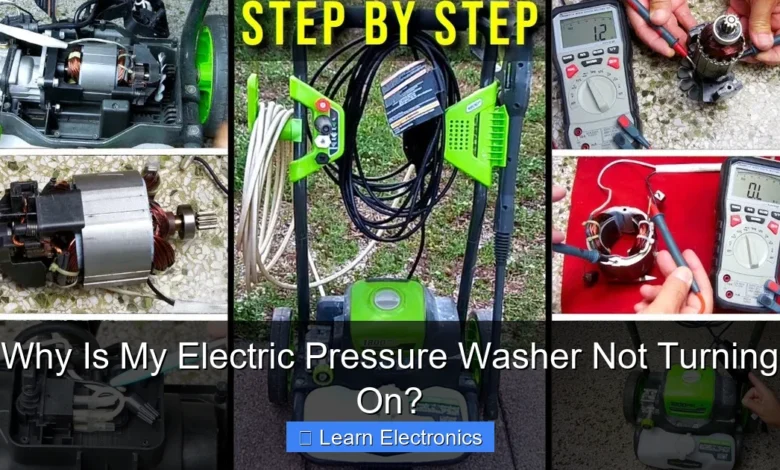
Why Is My Electric Pressure Washer Not Turning On? The most frequent causes are often linked to issues with the power supply, a tripped Ground Fault Circuit Interrupter (GFCI) outlet, or inadequate water flow to the unit. Effectively troubleshooting these fundamental areas is essential for quickly identifying and resolving startup failures. This diagnostic approach helps users efficiently get their equipment operational again.
Quick Answers to Common Questions
My electric pressure washer won’t turn on – where should I check for power first?
Start by verifying your outlet, GFCI, and circuit breaker. Your electric pressure washer absolutely needs a consistent power supply to spring to life!
Could a damaged power cord be why my electric pressure washer isn’t turning on?
Definitely! Always inspect the power cord and plug for any nicks, cuts, or bent prongs, as damage can prevent your electric pressure washer from powering up safely.
What if I’m using an extension cord and my pressure washer still won’t turn on?
An incorrect or too-long extension cord might be the culprit. Make sure it’s the right gauge and length to properly power your electric pressure washer without voltage drop.
📑 Table of Contents
Why Is My Electric Pressure Washer Not Turning On?: Power Supply Issues
Electrical power is the lifeblood of your electric pressure washer. Without a consistent and safe power supply, the motor simply won’t engage. This section delves into common electrical problems that prevent your unit from starting.
Checking the Power Cord and Plug
A damaged power cord or plug is a common culprit. Before anything else, visually inspect the entire length of the cord for any cuts, frays, or exposed wires. Look closely at the plug for bent prongs or signs of scorching. A compromised cord can not only prevent the unit from turning on but also pose a significant safety hazard. If you find any damage, the cord must be replaced by a qualified technician or the unit serviced. Never attempt to repair a damaged power cord with electrical tape; this is extremely dangerous.
Testing the Outlet
Sometimes, the problem isn’t the pressure washer but the power source itself. Plug another small appliance, like a lamp or a phone charger, into the same outlet you’re trying to use for the pressure washer. If the other appliance also fails to work, you know the issue lies with the outlet, not your pressure washer. The outlet might be dead due to a tripped circuit breaker in your home’s electrical panel. Ensure the outlet is rated for the high amperage an electric pressure washer requires, usually 15 or 20 amps.
Extension Cord Considerations
Using an incorrect or damaged extension cord can severely impact your pressure washer’s performance and ability to start. Always use an extension cord that is rated for outdoor use (marked with a “W” for weather resistant, e.g., SJTW) and has a gauge thick enough to handle the amperage draw of your pressure washer. A cord that is too long or too thin (higher gauge number means thinner wire) can cause a voltage drop, preventing the motor from getting enough power to start. Generally, a 12-gauge, 25-50 foot extension cord is recommended for most electric pressure washers. Inspect the extension cord for damage just as you would the unit’s power cord.
Water Inlet and Pressure Problems
Electric pressure washers rely on a steady and sufficient water supply to function. Even if the motor attempts to turn, insufficient water can prevent it from building pressure or even starting due to safety mechanisms.
Ensuring Adequate Water Supply
Your pressure washer needs a strong water flow to operate correctly. Check that the garden hose connected to your pressure washer is fully open at the spigot. A partially opened spigot will restrict water flow, leading to low pressure or the unit failing to turn on altogether. Also, ensure the hose itself isn’t kinked or blocked, which can impede water flow significantly.
Inspecting the Inlet Filter
Most electric pressure washers have a small inlet filter screen at the water intake connection point. This filter prevents debris from entering the pump and causing damage. Over time, sediment, rust, or other particles can clog this screen, restricting water flow to the pump. Disconnect the garden hose, remove the filter (usually a small plastic screen), and rinse it thoroughly under running water to clear any blockages. Reinsert it securely before reconnecting the hose.
Air in the System (Priming)
If there’s air trapped in the pump, the pressure washer won’t be able to build pressure, and some models might even refuse to start. To “prime” the pump and remove air, connect the water supply and fully turn it on. Then, without turning on the power to the pressure washer, squeeze the spray gun trigger and hold it open for about 30-60 seconds. This allows water to flow through the pump and hose, expelling any trapped air, until a steady stream of water emerges from the nozzle. Once you have a steady, air-free stream, you can release the trigger and power on the unit.
GFCI, Circuit Breakers, and Internal Protection
Modern electric pressure washers, and the outlets they plug into, often feature protective mechanisms designed to prevent electrical shock. These safety features can sometimes be the reason your unit won’t start.
Tripped GFCI Outlet
A Ground Fault Circuit Interrupter (GFCI) outlet is a crucial safety device found in many outdoor or garage outlets. If it detects an imbalance in electrical current (a “ground fault”), it trips to cut power and prevent electrocution. If your pressure washer isn’t turning on, check the GFCI outlet for a tripped state (often indicated by a small red or orange light, or a popped-out button). Press the “RESET” button firmly. If it immediately trips again, there might be a more serious electrical issue with the pressure washer or the outlet itself, and professional inspection is recommended.
Overloaded Circuit Breaker
Electric pressure washers draw a significant amount of power. If you’re running other high-amperage appliances on the same circuit, or if the pressure washer itself draws more current than the circuit is designed for, the circuit breaker in your home’s electrical panel will trip. This is a safety measure to prevent overheating and potential fires. Locate your electrical panel and identify the tripped breaker (it will usually be in an “off” or “middle” position). Flip it completely to the “off” position, then firmly back to “on.” Try to use your pressure washer on a dedicated circuit if possible, or ensure no other major appliances are running on the same circuit.
Thermal Overload Protection
Many electric pressure washers have a built-in thermal overload protector. If the motor gets too hot (perhaps from continuous use, low voltage, or a failing component), this protection will automatically shut off the unit to prevent damage. If your pressure washer stopped working mid-task and won’t restart, give it at least 30 minutes to cool down completely before attempting to turn it on again. Ensure the unit is used in a well-ventilated area to prevent overheating in the future.
Motor, Pump, and Internal Malfunctions
If all external factors have been checked and your pressure washer still won’t start, the problem might lie within the unit’s internal components. These issues often require more advanced diagnostics or professional repair.
Faulty On/Off Switch
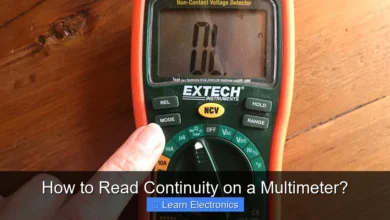
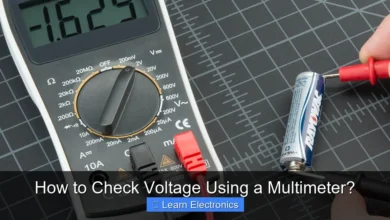
It sounds simple, but a defective on/off switch can be the sole reason for a non-starting unit. Over time, switches can wear out, accumulate debris, or suffer internal electrical failures. Testing a switch requires a multimeter and some electrical knowledge, so if you suspect this, it’s often best left to a service technician. A faulty switch means the power isn’t reaching the motor even when you press “on.”
Motor Capacitor Failure
Electric motors, especially those in pressure washers, often use a start capacitor to give the motor an initial jolt of power to begin spinning. If this capacitor fails, the motor will hum but won’t turn, or it might not make any sound at all. A failing capacitor can sometimes show physical signs like bulging or leaking. Replacing a capacitor involves discharging it safely and requires expertise, as they can store a lethal electrical charge even when unplugged. This is definitely a job for a professional.
Pump Issues and Seizure
While less common as a direct cause for “not turning on” (it usually causes the motor to hum but not turn), a severely seized pump can sometimes prevent the motor from starting altogether if the motor’s protective mechanisms are engaged. A pump can seize if it’s been stored improperly in freezing temperatures (water expands when frozen, cracking or damaging pump components), or if it’s run dry for extended periods. If the motor tries to turn but can’t, or if it makes unusual grinding noises, the pump might be the issue. A seized pump usually necessitates a pump replacement.
Post-Storage and Maintenance Considerations
Proper storage and regular maintenance are crucial for the longevity and reliable operation of your electric pressure washer. Neglecting these aspects can lead to startup problems after periods of inactivity.
Winterization and Freezing Damage
If your pressure washer was stored in an unheated area during winter and not properly winterized, freezing temperatures could have caused severe internal damage. Water left in the pump, hoses, or spray gun will expand as it freezes, potentially cracking the pump housing, valves, or internal components. This damage can prevent the pump from operating and, consequently, the motor from starting. Always follow the manufacturer’s winterization instructions, typically involving flushing the system and adding pump protector solution.
Sediment and Debris Buildup
Even with an inlet filter, fine sediment and mineral deposits can accumulate within the pump and valves over time, especially in areas with hard water. This buildup can impede the movement of internal components, making it difficult for the pump to move water and the motor to start. Regular flushing of the system and, in some cases, using specialized pump cleaner solutions can help prevent this.
Maintenance Schedule Overview
Adhering to a simple maintenance schedule can significantly reduce the likelihood of your electric pressure washer not turning on. This includes:
- Regularly cleaning the inlet filter.
- Draining water completely after each use.
- Properly winterizing the unit before cold storage.
- Inspecting hoses and connections for leaks or damage.
- Cleaning nozzles to prevent blockages.
Systematic Troubleshooting and Safety Procedures
When your electric pressure washer refuses to start, a systematic approach to troubleshooting, always prioritizing safety, will help you diagnose the problem efficiently.
Troubleshooting Flowchart (Simplified)
Here’s a simplified table to guide your troubleshooting process:
| Step | Action | Potential Issue | Solution |
|---|---|---|---|
| 1 | Check power outlet with another appliance. | Dead outlet / Tripped breaker. | Reset GFCI/breaker, try another outlet. |
| 2 | Inspect power cord & extension cord. | Damaged cords / Incorrect extension. | Replace damaged cords, use correct gauge. |
| 3 | Ensure water spigot is fully open. | Insufficient water supply. | Open spigot fully, check for kinks. |
| 4 | Clean inlet filter screen. | Clogged filter. | Remove & rinse filter. |
| 5 | Prime the pump (hold trigger open). | Air in the system. | Allow water to flow until steady stream. |
| 6 | Allow unit to cool down. | Thermal overload engaged. | Wait 30+ mins, ensure ventilation. |
| 7 | Listen for hum/motor attempt. | Motor capacitor / Switch / Pump issue. | Professional diagnosis/repair. |
Prioritizing Safety
Always disconnect the pressure washer from the power source before performing any inspection, maintenance, or troubleshooting beyond simply plugging/unplugging. Wear appropriate personal protective equipment (PPE) like safety glasses. If you are uncomfortable with electrical diagnostics or if the issue seems complex, it is always best to consult a qualified electrician or a certified pressure washer service technician. Attempting repairs beyond your skill level can result in further damage to the unit or, more importantly, personal injury.
By following these steps, you can methodically narrow down the potential causes and hopefully get your electric pressure washer back to work. Addressing why your electric pressure washer is not turning on often comes down to careful observation and a systematic approach to troubleshooting.
A non-starting electric pressure washer can be frustrating, but by systematically checking the power supply, water flow, and internal components, many common issues can be resolved without professional help. Remember to always prioritize safety by unplugging the unit before any inspection or maintenance. For complex problems, or if you’re uncertain about a repair, don’t hesitate to contact a qualified service technician. With proper care and troubleshooting, your pressure washer can provide years of effective cleaning.
Frequently Asked Questions
Why won’t my electric pressure washer power on?
Begin by checking the power outlet, ensuring it’s live and the pressure washer’s plug is fully inserted. Also, inspect your GFCI (Ground Fault Circuit Interrupter) outlet or breaker and reset it if it has tripped.
Could a faulty extension cord be why my electric pressure washer isn’t turning on?
Absolutely. Using an undersized or damaged extension cord can prevent sufficient power from reaching the motor. Always use a heavy-duty, outdoor-rated extension cord of the correct gauge and length specified in your owner’s manual.
My pressure washer is plugged in, but it’s not starting. Does it need water to turn on?
Yes, many electric pressure washers have a safety mechanism that prevents the motor from starting without an adequate water supply. Ensure your garden hose is connected, the water spigot is fully open, and there are no kinks in the hose.
Why did my electric pressure washer stop working and now won’t restart?
Your unit might have tripped its thermal overload protector due to overheating, often caused by continuous use or low voltage. Let the electric pressure washer cool down for at least 30 minutes before attempting to restart it, ensuring proper ventilation.
What if the main power switch on my electric pressure washer seems unresponsive?
The on/off switch itself could be faulty or an internal miniature circuit breaker might have tripped. Try cycling the switch a few times and check if your model has a small reset button, typically located near the power inlet or switch.
I’ve checked everything, and my electric pressure washer still won’t turn on. What else could it be?
If all external checks fail, the issue might be internal, such as a faulty motor or a failed starting capacitor. These problems typically require professional diagnosis and repair, as they involve electrical components within the unit.
As an Amazon Associate, I earn commission from qualifying purchases.